
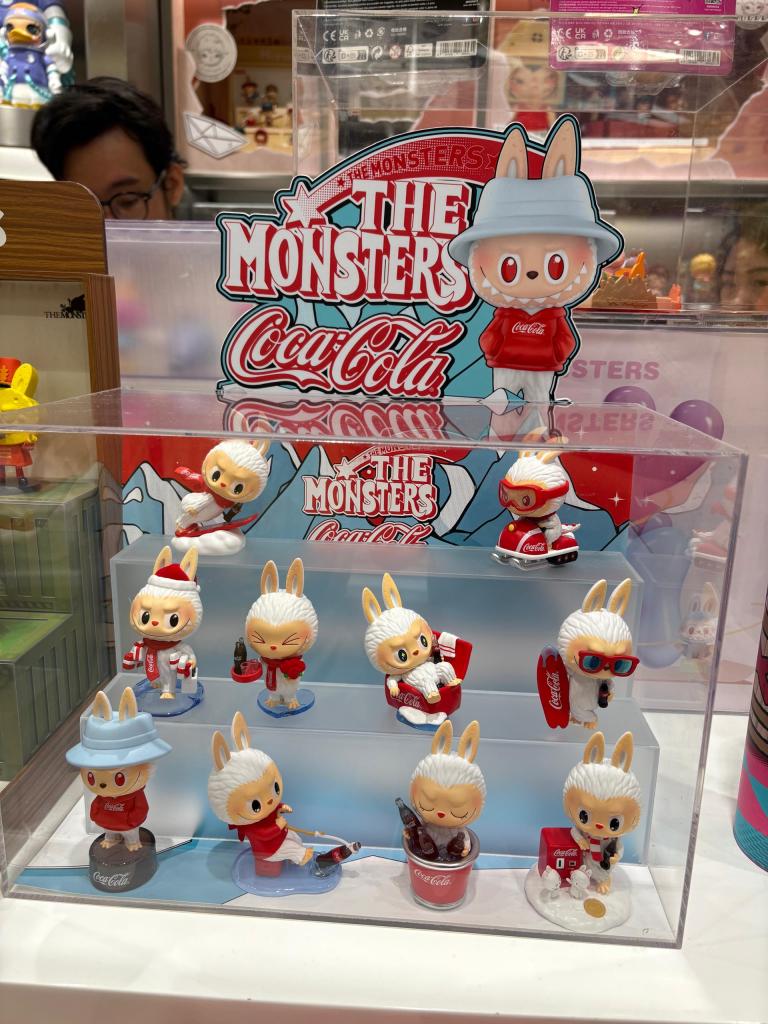
Blind boxes have taken the world by storm, with stores like Pop Mart, Top Toy, and others dominating the collectible market. Popular characters such as Labubu, Crybaby, Sanrio Hello Kitty & Kuromi, and Disney’s Princesses, these mystery boxes create excitement with every unboxing. But are they just a fun hobby, or is society falling into a psychological trap?
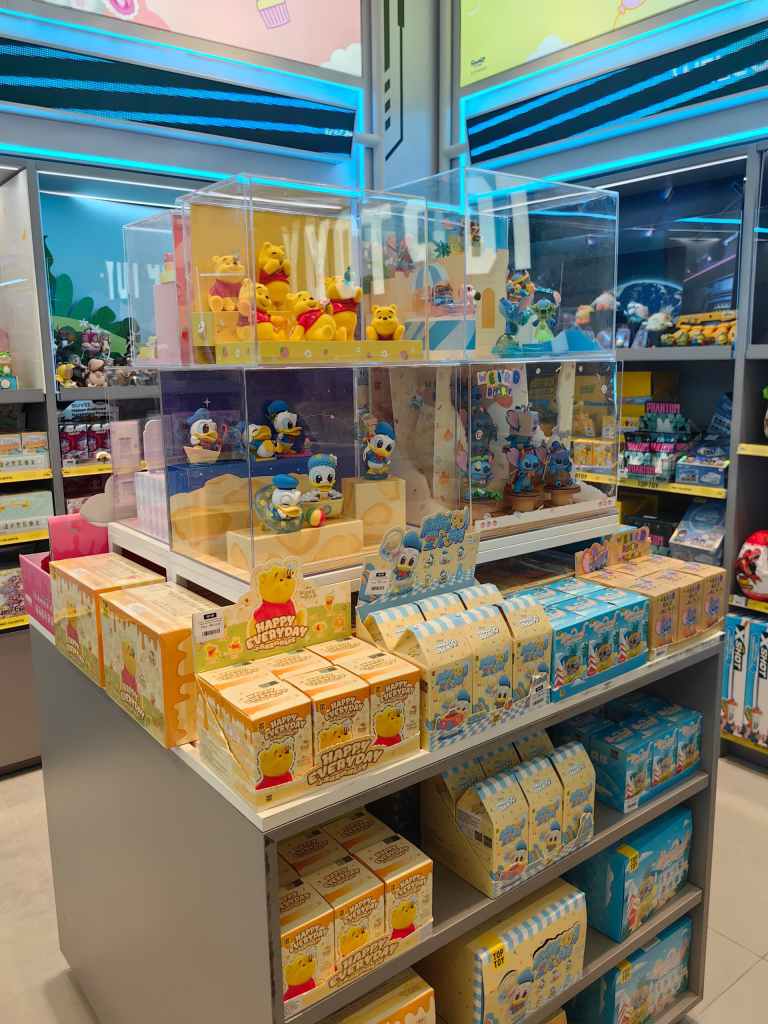
How Blind Boxes Work
Before we proceed further, let’s talk about how blind boxes work. Blind boxes operate on a mystery-based purchase model, where buyers receive a sealed package without knowing the exact item inside. Each series consists of a set number of figures, often including common, rare, and ultra-rare editions. Collectors may buy multiple boxes to try and complete a full set, but since items are randomized, they often end up with duplicates—leading to either more purchases or trading with other collectors.

The Thrill Behind Blind Boxes
Blind boxes work on a simple yet powerful concept: you don’t know what you’re getting until you open the package. This element of surprise taps into human psychology, triggering a dopamine rush similar to gambling. The idea of chasing rare figures makes the experience even more thrilling, pushing people to buy more in hopes of completing their collection.
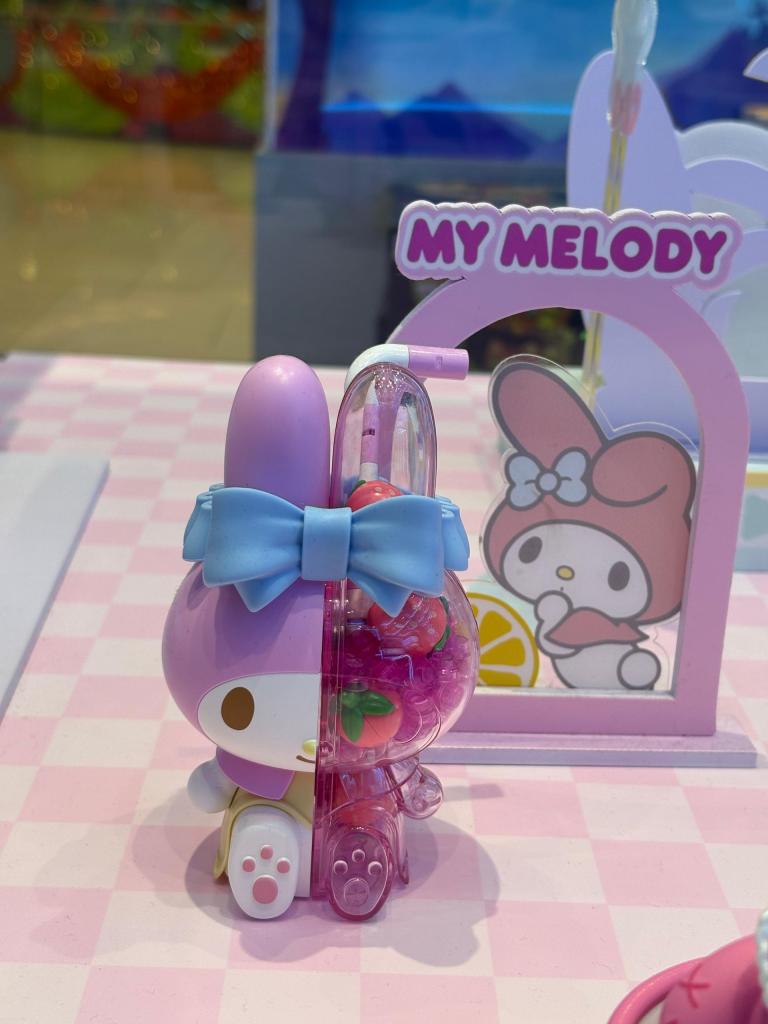
How Blind Boxes Affect Children
- Instant Gratification & Dopamine Dependency – Kids experience a rush of happiness when opening a blind box, reinforcing a need for constant surprises.
- Emotional Regulation Issues – Not getting the desired figure can lead to frustration, tantrums, or disappointment.
- Unrealistic Spending Habits – Many children don’t understand the value of money and may repeatedly ask parents to buy more.
- Peer Pressure & Social Influence – Seeing friends or influencers collect popular characters like Labubu or Crybaby can make kids feel left out, pushing them to want more.
The Impact on Adults
- Dopamine Addiction & Financial Strain – Many adults justify excessive spending as a “hobby” but end up buying blind boxes compulsively.
- Gambling-Like Behaviour – The random reward system encourages repeated purchases, much like slot machines.
- Stress & Anxiety – The fear of missing out (FOMO) and frustration of not getting rare items can cause anxiety.
- Social Media Pressure – Unboxing videos from influencers fuel consumerism, making collectors feel the need to show off their purchases.

When Does It Become A Problem?
While collecting blind boxes is not inherently bad, it becomes a problem when:
- You spend beyond your budget, chasing a rare Labubu or Crybaby figure.
- You experience stress or anxiety over missing out.
- You buy more out of frustration instead of enjoyment.
Finding A Healthy Balance
To enjoy blind boxes without falling into an unhealthy cycle:
✔ Set a budget – Decide how much you’re willing to spend each month.
✔ Trade or resell duplicates – Platforms and communities allow swapping figures instead of overspending.
✔ Enjoy the experience, not just the outcome – Appreciate the thrill of collecting rather than just the rarest pieces.
✔ Educate children on money management – Help kids understand that blind boxes are a luxury, not a necessity.
Conclusion
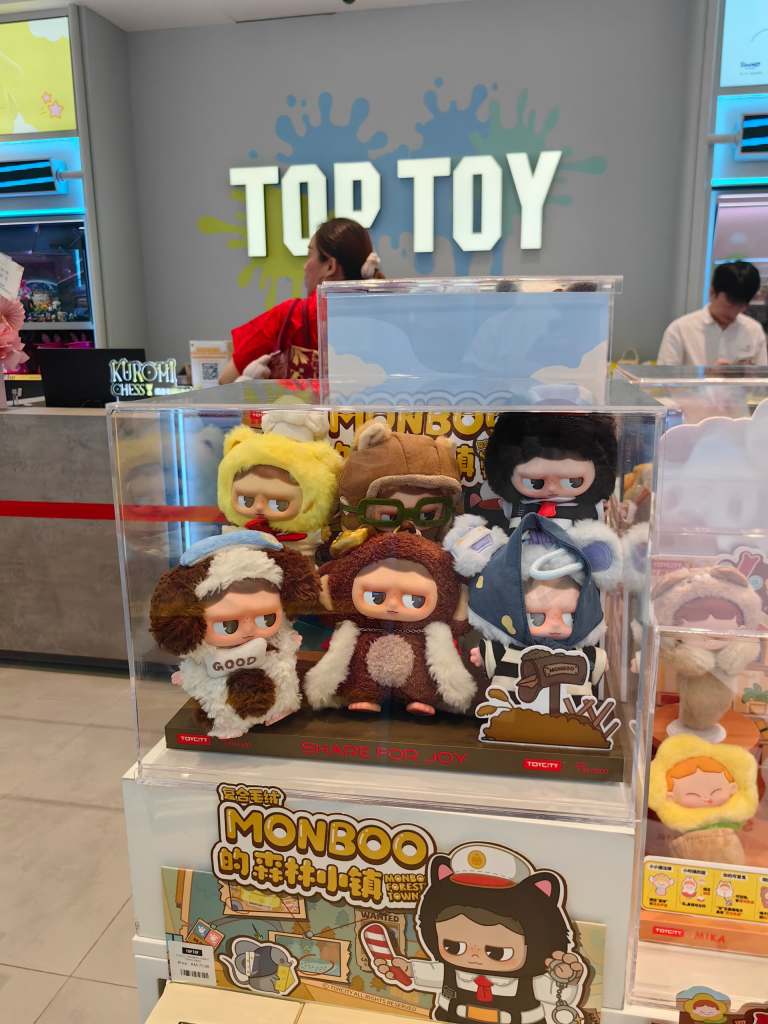
So do you think this hobby is harmless fun or dangerous obsession? Blind boxes offer excitement and joy, but when unchecked, they can lead to financial stress, addiction, and anxiety. Whether you love Labubu, Crybaby, Sanrio characters, or Disney’s princesses collectibles, it’s essential to enjoy the hobby responsibly. Set limits, trade wisely, and remember—collecting should bring happiness, not stress!
Do you love blind boxes and which character is your favourite? Share your thoughts in the comments!
 dixonthum