Travel

What You Need to Know About Chaithararam Temple (Wat Chalong) in Phuket

During my recent trip to Phuket, I had the opportunity to visit the renowned Wat Chalong, officially known as Chaithararam Temple. This temple stands as the largest and most significant among the 29 Buddhist temples on the island. Located in the Chalong Subdistrict, Mueang Phuket District, Wat Chalong is not only a place of worship but also a peaceful escape and a wonderful reflection of Thai spirituality and tradition.

The temple complex features several beautiful buildings (there are four main ones, to be exact), each with unique architecture that really stands out compared to other temples I’ve visited in Thailand. The main attraction is the 60-meter-tall chedi called Phra Mahathat Chedi. This elegant structure houses a relic believed to be a fragment of Buddha’s bone. The walls and ceilings are decorated with vibrant murals depicting the life of Buddha, and countless golden statues add to its sacred atmosphere. If you climb to the top floor, you’ll be rewarded with a panoramic view of the temple grounds and surrounding area.

One building that left a lasting impression on me was the hall that displays life-sized statues of three highly respected monks—Luang Pho Cham, Luang Pho Chuang, and Luang Pho Kleum. These monks are known for their wisdom, compassion, and healing skills. Luang Pho Cham, in particular, is remembered for his role in helping people during the Chinese rebellion in 1876. Devotees often visit this hall to pay respects, and some even leave small offerings in gratitude.

I also found it fascinating to learn about the different Buddha postures associated with the days of the week. I discovered that I was born on a Wednesday, and the posture for this day is Buddha holding an alms bowl while standing. This symbolizes Buddha’s return to his father after years of meditation, and it represents kindness, compassion, and modesty.

There’s also a unique tradition practiced at Wat Chalong—burning firecrackers in a dedicated brick kiln. If your wish made at the temple comes true, it’s customary to return and set off firecrackers as a way to thank the Buddha and ward off bad luck. The loud pop-pop sounds add a rather exciting and joyful vibe to the temple visit.

A few tips if you’re planning to visit:

  • Dress modestly. Wear clothes that cover your shoulders and knees. This is a must for entering any temple in Thailand.
  • Never climb or sit on Buddha statues. It’s considered very disrespectful.
  • Follow the signs and temple rules. There are usually clear instructions around the complex—respect the space and the people there.

Visiting Wat Chalong was more than just a tourist stop for me—it felt like a meaningful cultural lesson wrapped in a peaceful, spiritual experience. Whether you’re seeking spiritual insight or simply want to appreciate the art and history, I highly recommend adding Wat Chalong to your Phuket itinerary.

📍Chaithararam Temple (Wat Chalong)
70 หมู่ที่ 6 Chao Fah Tawan Tok Rd, Chalong, Mueang Phuket District, Phuket 83000, Thailand
Opening hours: 8AM – 5PM (daily)
FREE entry
Website: https://www.wat-chalong-phuket.com/
FB: https://www.facebook.com/ChaithararamTempleWatChalongPhuket/
Travel

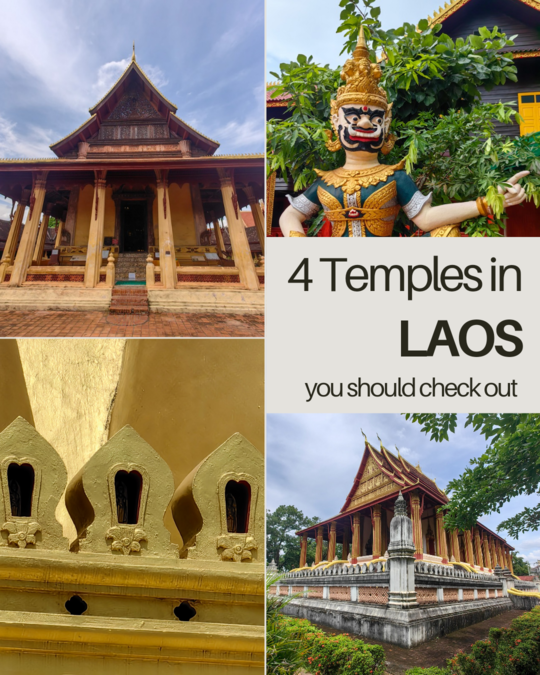
4 Temples in Vientiane, Laos You Should Check Out

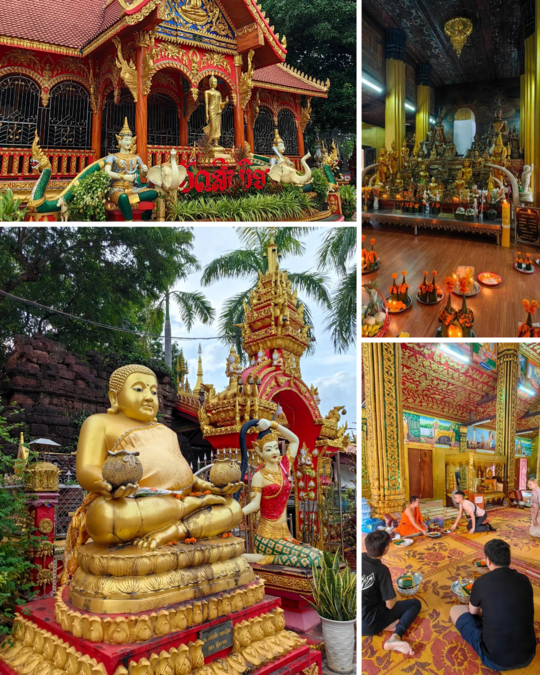
During my visit to Vientiane, Laos, I had the chance to explore some of its most iconic temples. Each one left a lasting impression with its unique history, architecture, and cultural significance. Here are my thoughts on Phra That Luang, Ho Phra Keo, Wat Si Saket, and Wat Chao Mae Si Muang.

Phra That Luang
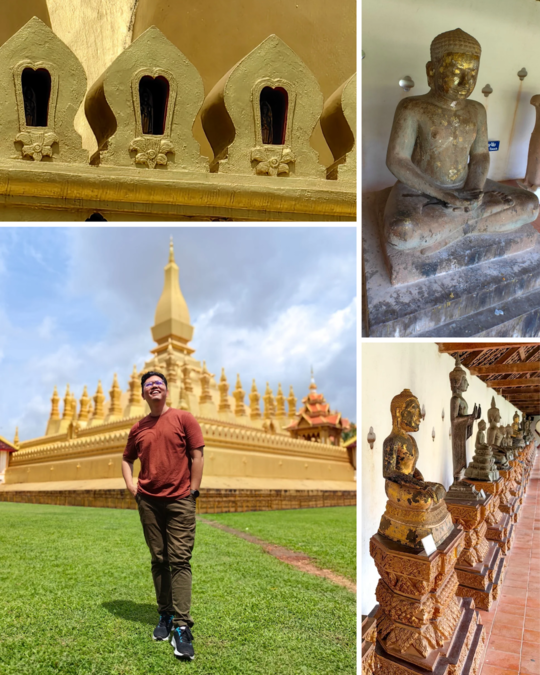
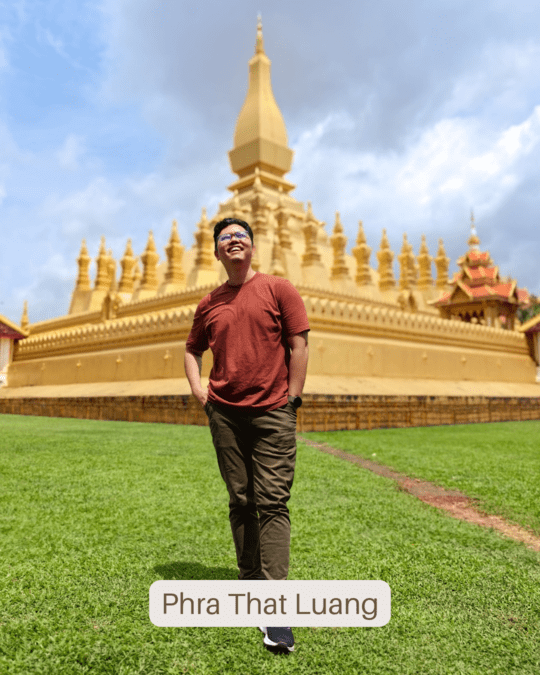
Phra That Luang, the Great Stupa in Vientiane, is Laos’ most iconic religious monument and a symbol of national pride. Standing 45 meters tall, this golden stupa represents Buddhist teachings and is believed to house a relic of the Buddha. Originally a Hindu temple, it was transformed into its current form in 1566 by King Setthathirath. Phra That Luang is the centerpiece of the annual Boun That Luang festival in November, attracting thousands of pilgrims. The stupa’s three levels symbolize the path to enlightenment, making it a must-visit for those exploring Laos’ rich cultural heritage.

📍That Luang, Xaysettha 10009, Laos
Operating hours: 8am – 5pm (daily)
Entrance fee: 30,000 Kip (foreign tourist), 5,000 Kip (local)

Ho Phra Keo
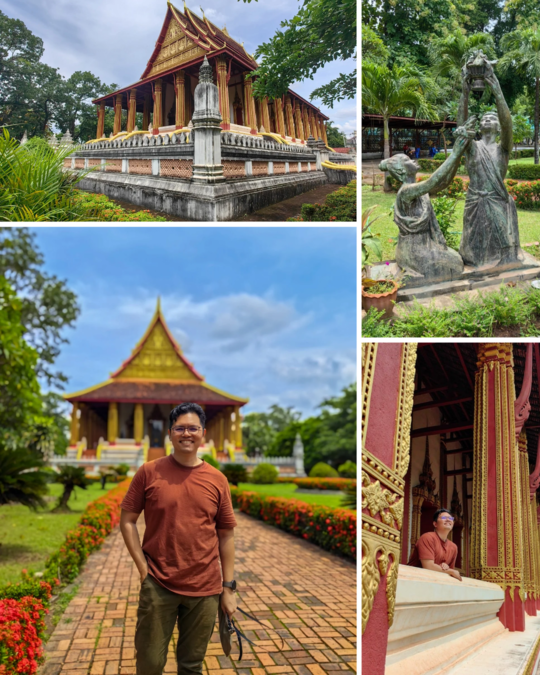
Ho Phra Keo, built in 1565 by King Setthathirath, originally housed the revered Emerald Buddha before it was taken to Thailand in 1779. Located in Vientiane, this temple, also known as the “Altar of the Emerald Buddha,” is a significant cultural site in Laos. The current structure, restored in 1936, features classic Lao architecture with intricate carvings and a multi-tiered roof. Now a museum, Ho Phra Keo displays religious artifacts, including ancient Buddhist scriptures and bronze statues, offering insight into Laos’ rich history. Its serene gardens enhance the temple’s tranquil and reflective atmosphere.

📍Rue Setthathirath, Vientiane 0100 Laos
Operating hours: 8am – 5pm (daily)
Entrance fee: 30,000 Kip (foreign tourist), 5,000 Kip (local)

Wat Si Saket
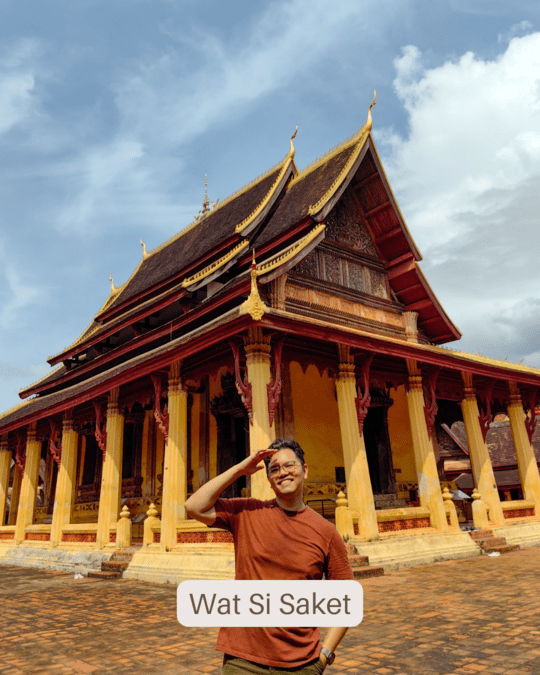
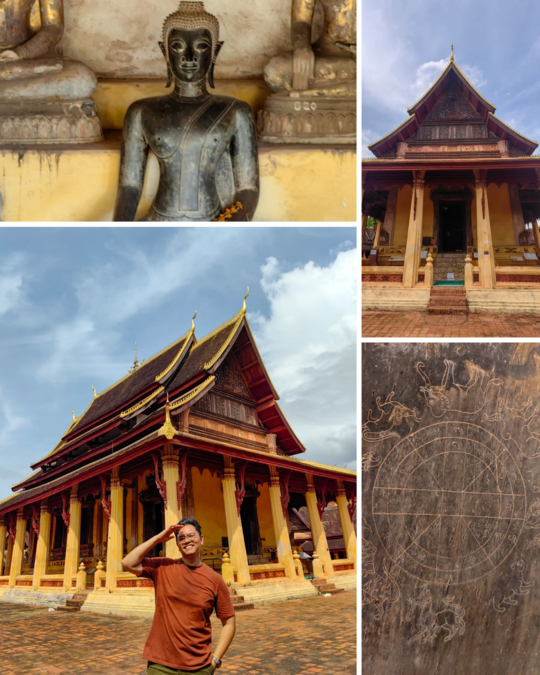
Located just across Ho Phra Keo, Wat Si Saket, built in 1818 by King Anouvong, is Vientiane’s oldest surviving temple. Its unique Siamese-style architecture, rare in Laos, helped it endure the Siamese-Lao wars. The temple is renowned for its cloister walls, housing over 6,800 Buddha images of various sizes. Inside, frescoes depict the Jataka tales, which are stories of the Buddha’s past lives, illustrating moral lessons and the path to enlightenment. Wat Si Saket also features a central sim surrounded by a gallery of pillars. This historic temple remains an active site of worship and meditation, deeply rooted in Lao culture and Buddhism.

📍Lane Xang Avenue, Vientiane, Vientiane 0100 Laos
Operating hours: 8am – 5pm (daily)
Entrance fee: 30,000 Kip (foreign tourist), 5,000 Kip (local)

Wat Chao Mae Si Muang
Wat Chao Mae Si Muang, a key temple in Vientiane, Laos, is dedicated to Chao Mae Si Muang, a guardian spirit believed to protect the city. According to legend, she sacrificed her life to God while she was pregnant during the construction of the city pillar (Lak Mueang) to ensure its stability. Built in the 16th century and restored in the 1950s, the temple is a vibrant place for locals to make offerings and seek blessings. The city pillar housed within the temple is central to many ceremonies. The temple is especially lively during festivals, showcasing traditional Lao art and cultural practices, making it a significant spiritual and cultural site.

📍15 Rue Bourichane, Vientiane, Laos
Operating hours: 6am – 7pm (daily)
Entrance fee: FREE