
An Analysis of Malaysia’s Growing Cat-Themed Marketing and Collectibles Trend
1. Introduction: The Cat Craze Is Taking Over Marketing
Have you noticed how many brands are suddenly incorporating cats into their marketing campaigns, promotions and merchandise?
From international big players to local businesses, brands across different industries are jumping onto the cat craze, incorporating feline characters into their marketing campaigns, promotional activities and merchandise collections.
From coffee chains and bubble tea brands to convenience stores and food & beverage businesses, cats seem to be everywhere. Whether it is a limited-edition plushie, a collectible keychain, a special-edition tumbler or a collaboration with a popular character, brands are finding creative ways to bring cats into their products and customer experiences.
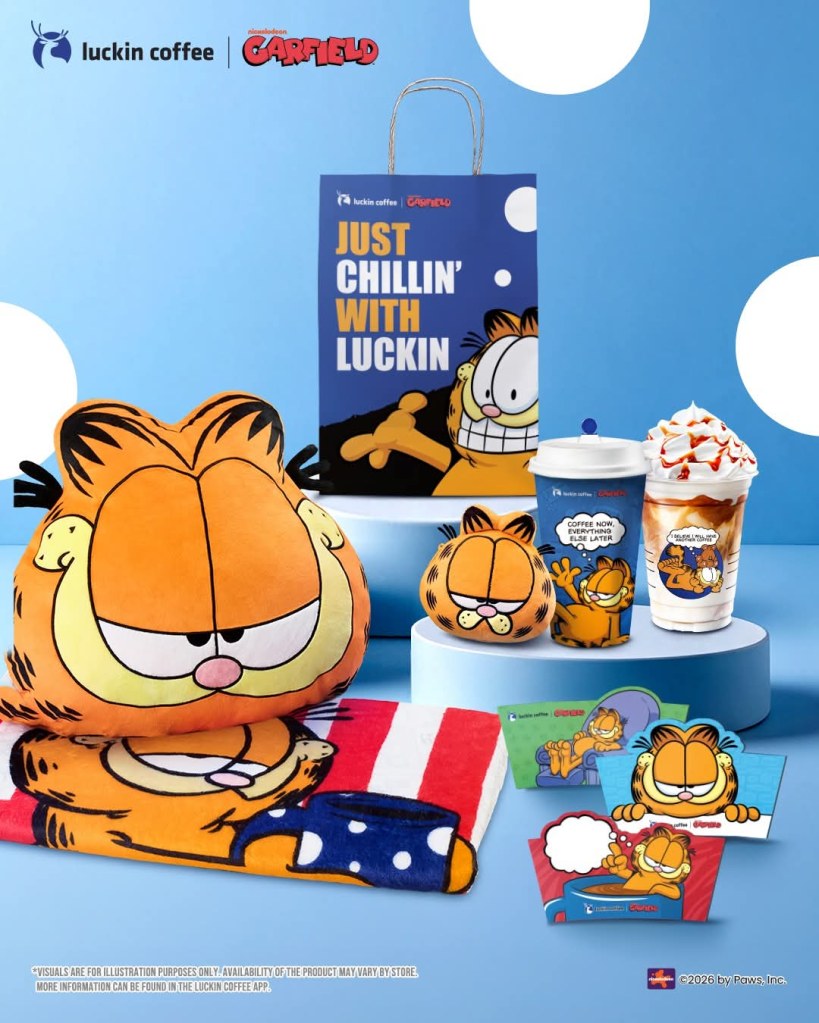
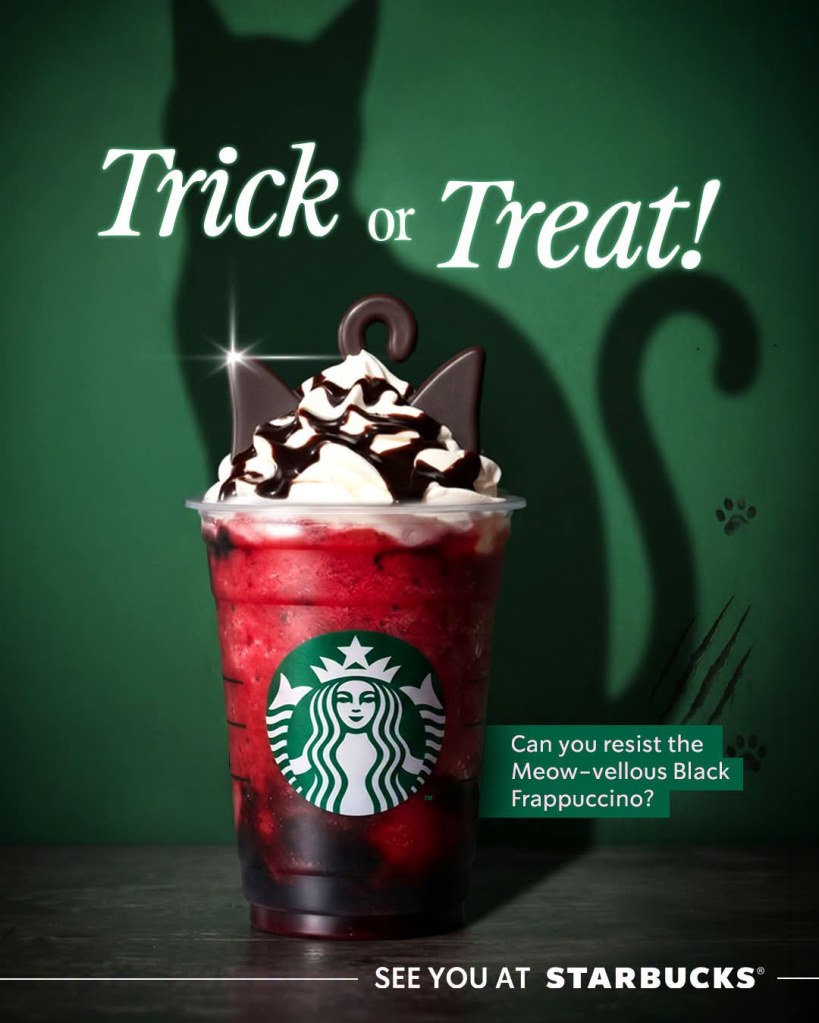
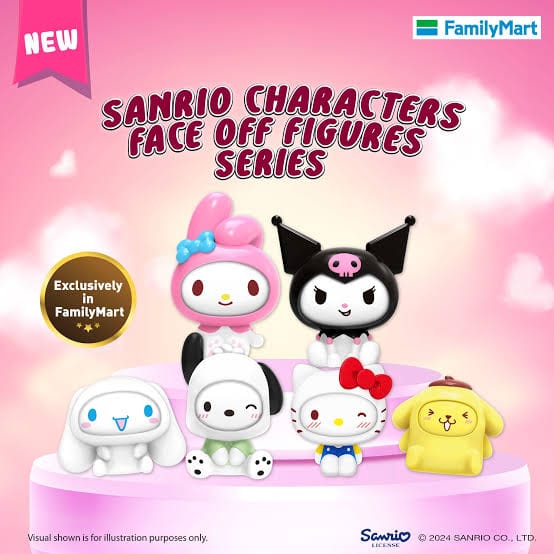
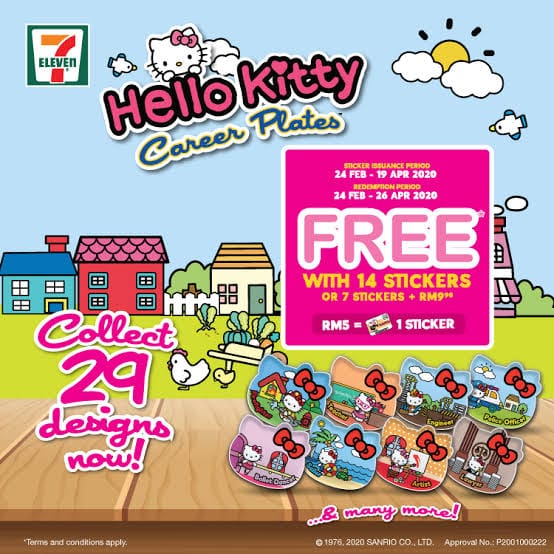
Some familiar examples include Starbucks’ cat-themed ice-blended beverage, 7-Eleven’s collaborations with Hello Kitty merchandise, KFC Malaysia’s Mofusand collaboration, and other brands exploring collectible merchandise to attract consumers.
This raises an interesting question from a marketing perspective: Why cats? Why now? And what makes consumers so attracted to these products that they are willing to spend money on something that may not even be related to the brand’s core business?
I believe there are several reasons behind this growing phenomenon, and it goes beyond the simple explanation that cats are cute.
2. The Malaysian Cat-Loving Culture
One of the most obvious reasons is Malaysia’s strong affection for cats.
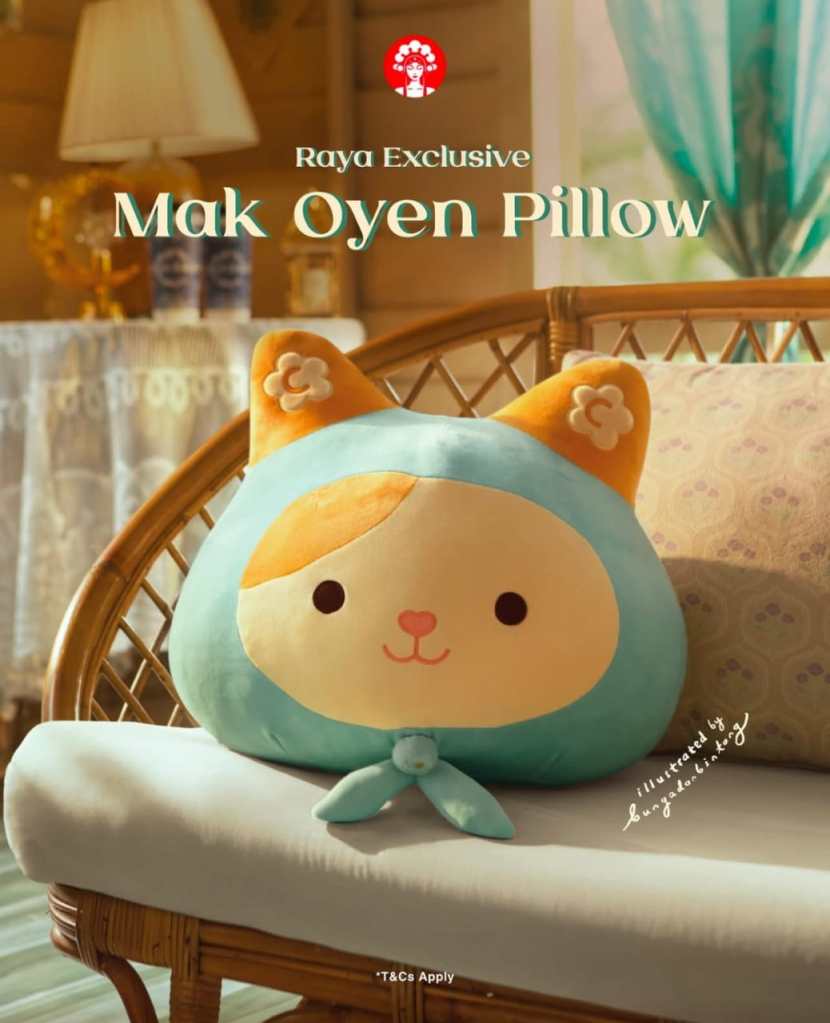
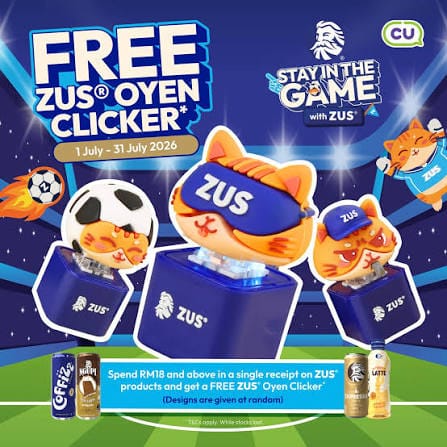
Walk around neighbourhoods, food courts, restaurants and shopping malls, and chances are you will encounter cats. From the famous orange cats (Oyen) to rescued strays and pampered house cats, felines have become a familiar part of everyday Malaysian life.
Cats are also popular across different communities and demographics. Some people own cats, some regularly feed stray cats, while others simply enjoy watching cat videos and following cat-related social media accounts.
This suggests that brands are tapping into an existing emotional connection rather than trying to introduce something entirely new to consumers.
For many Malaysians, cats represent companionship, comfort, happiness and familiarity. Therefore, introducing cat-themed products can immediately create a sense of connection with the target audience.
3. The Power of Intellectual Property (IP) and Established Characters
Another major reason is the popularity of existing intellectual properties (IP).
Characters such as Hello Kitty, Garfield and Mofusand already have established fan bases. Their popularity did not happen overnight. Some have been around for decades, while others have gained significant traction through social media and internet culture.
Consider the following:
- Hello Kitty: A globally recognised character from Japan with decades of brand recognition and a loyal following across generations.
- Garfield: The iconic orange cat known for his lazy personality, love of food and humorous attitude. His character appeals to both older fans who grew up with him and younger audiences discovering him today.
- Mofusand: A Japanese cat illustration brand featuring adorable cats in playful costumes and situations. Its designs appeal strongly to consumers who enjoy cute collectibles and character merchandise.
These characters come with an existing emotional connection, recognition and fandom.
Instead of spending years building a new character from scratch, brands can collaborate with established IP owners and tap into their existing audiences.
There is also an important distinction between simply putting a cat illustration on a product and collaborating with an established character. The latter brings an existing identity, personality and fan community that can help create immediate consumer interest.
For brands, this can be a much faster way to generate attention and excitement.
4. The Psychology of Cuteness: Why Consumers Cannot Resist
Let’s talk about the psychology behind cuteness.
There is something about cute animals, especially cats, that naturally attracts human attention.
Their big eyes, round faces, tiny paws, fluffy bodies and playful expressions can trigger positive emotional responses.
In Malaysia, there is even a commonly used expression, “geram”, to describe that overwhelming feeling when something is just too adorable.
This emotional reaction is a powerful marketing opportunity.
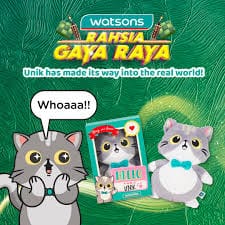
When consumers see an adorable cat plushie or keychain, they may experience an immediate emotional response. They might not necessarily need the item, but they want it because it makes them happy.
This is particularly interesting because the purchasing decision may not be driven by functionality or practicality.
It is driven by emotion.
Brands are essentially selling a feeling, and the merchandise becomes a physical reminder of that feeling.
5. The Collectibles Economy: Turning Ordinary Purchases into Exciting Experiences
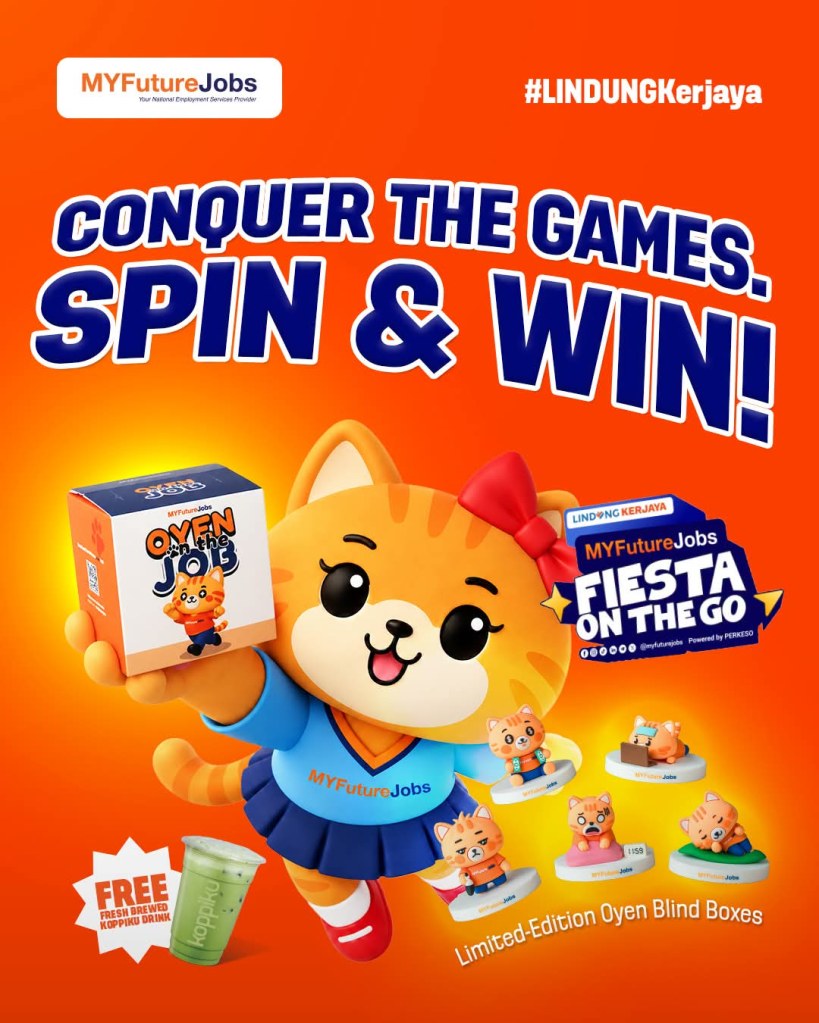
Another important factor is the growing popularity of collectible merchandise.
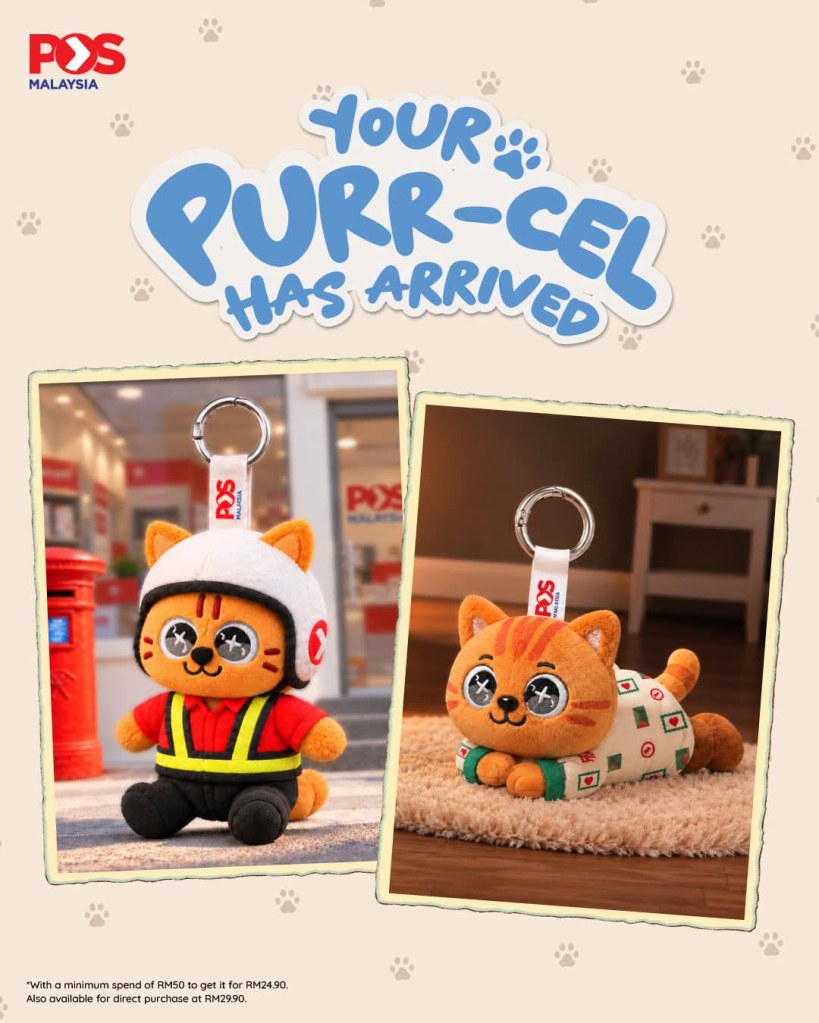
Consumers today are not just buying products. They are increasingly attracted to limited-edition collections, blind boxes, plushies, figurines and exclusive merchandise.
There is a certain excitement associated with collecting something, especially when there are multiple designs to complete a series.
Blind boxes make this even more interesting because consumers do not know exactly which design they will receive until they open the packaging.
This introduces an element of surprise and anticipation.
For brands, collectibles can encourage several purchasing behaviours:
- Repeat purchases to complete a collection.
- Additional spending to obtain a particular design.
- Visits to different outlets to look for available merchandise.
- Trading and exchanging collectibles with other fans.
- Participation in online discussions and collector communities.
A customer who initially visits a coffee shop for a drink might end up making additional purchases because of an exclusive cat-themed collectible.
The merchandise is no longer just a giveaway. It becomes a reason to purchase.
6. Social Media and the Power of Shareable Content
Let’s not underestimate the influence of social media.
Cats are already one of the most recognisable and shareable subjects on the internet. From funny cat videos and memes to cute photographs and daily updates, cat-related content regularly attracts attention.
Now imagine a consumer getting their hands on a limited-edition cat plushie from a popular coffee chain.
What happens next?
They might:
- Post an unboxing video on TikTok.
- Share photographs on Instagram.
- Upload their collection on Facebook.
- Share their purchase in a cat-loving community.
- Compare designs with friends.
- Create content about which outlet still has stock.
Suddenly, the consumer becomes part of the brand’s marketing distribution network.
The brand gets additional exposure without having to rely entirely on paid advertising.
This is particularly valuable because user-generated content often feels more authentic and relatable than conventional advertisements.
A simple photograph of someone showing off their latest cat collectible can generate conversations and encourage others to participate.
In other words, the merchandise itself becomes a content marketing tool.
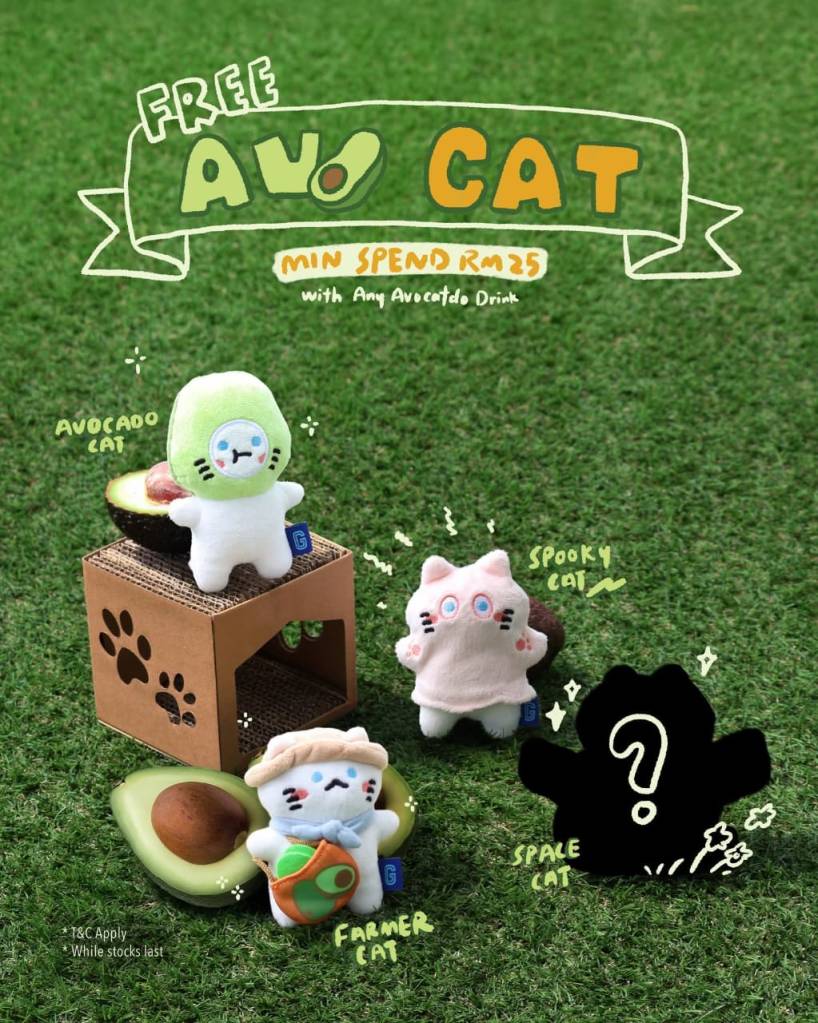
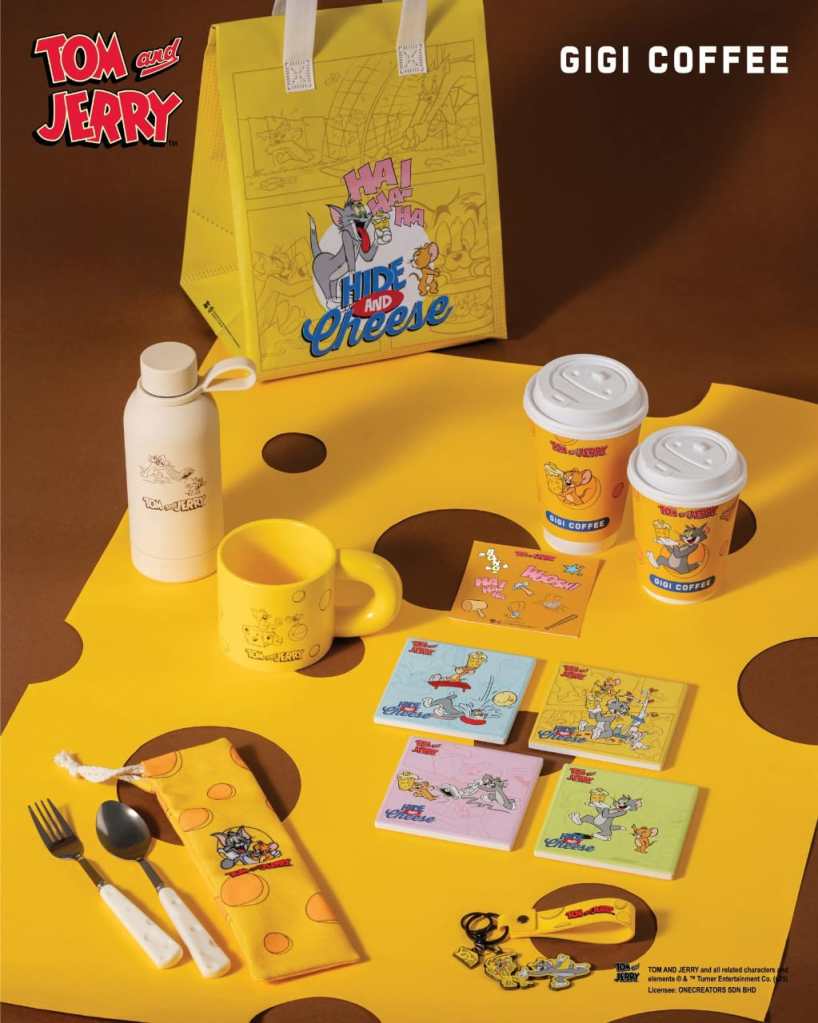
7. Emotional Comfort and the Desire for Small Happiness
Another reason worth exploring is the growing importance of emotional well-being and small personal rewards.
Life can be stressful. Work, financial commitments, family responsibilities and everyday challenges can leave consumers looking for simple ways to feel happy.
Sometimes, buying something small and adorable is enough to brighten someone’s day.
A cat keychain, a plushie or a cute tumbler may not be a necessity, but it offers a little moment of happiness.
This is closely related to the concept of affordable indulgence.
Consumers may think twice before spending hundreds of ringgit on luxury products, but a relatively affordable collectible may feel like an easier purchase to justify.
It is a small reward without a major financial commitment.
For brands, this creates an opportunity to position their merchandise as more than just a promotional item. It becomes something consumers can enjoy, display, carry around or give to someone they care about.
8. Nostalgia and Cross-Generational Marketing
Characters such as Hello Kitty and Garfield also bring another marketing advantage: nostalgia.
For older consumers, these characters may remind them of their childhood, favourite cartoons, school accessories or toys they once owned.
For younger consumers, they may represent trendy, aesthetic and collectible characters discovered through social media.
This allows brands to reach multiple generations through the same campaign.
A mother and daughter might both appreciate Hello Kitty, although for different reasons. A millennial might collect Garfield merchandise because of childhood memories, while a younger consumer might simply enjoy the character’s design.
This cross-generational appeal gives brands access to a wider potential customer base.
It also makes character collaborations particularly attractive during festive seasons, anniversaries and special promotional periods.
9. Brand Differentiation: Selling More Than Just Food and Drinks
For food and beverage businesses, competition is intense.
Coffee is coffee. Milk tea is milk tea. Convenience stores offer similar everyday products.
Consumers have plenty of choices, and switching between brands is relatively easy.
So, how can brands give customers another reason to choose them?
One way is through merchandise and collaborations.
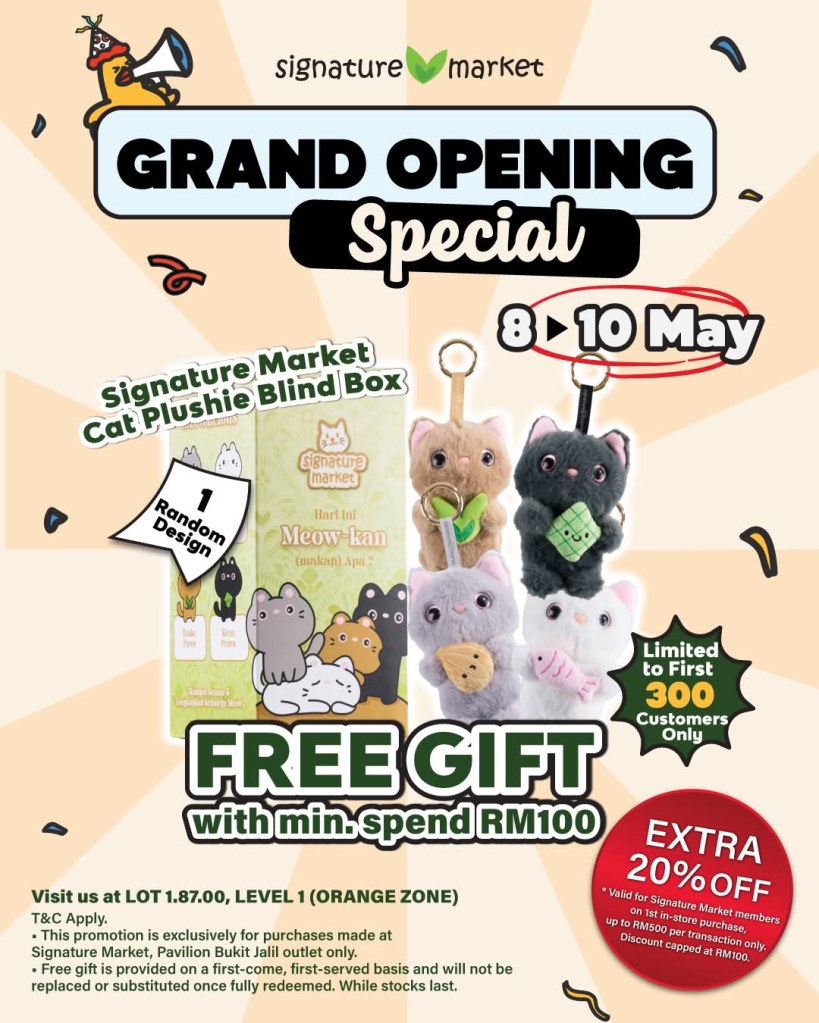
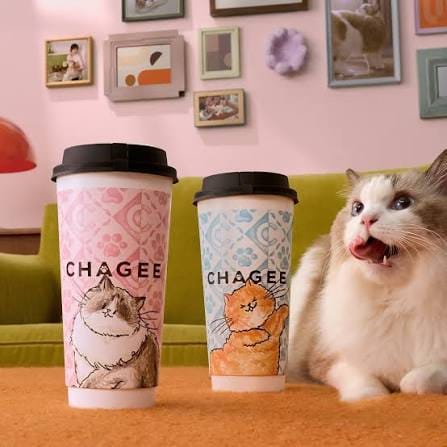
A limited-edition cat collection can create a different experience from simply purchasing a beverage.
Instead of competing purely on taste, price, location or convenience, brands can compete through lifestyle, emotional connections and experiences.
This also allows brands to extend their identity beyond their core products.
For example, Starbucks can use character merchandise to reinforce its lifestyle positioning, while convenience stores can turn everyday shopping into a collectible experience.
The merchandise may only be available for a limited period, but the emotional association with the brand can last much longer.
10. Creating Urgency Through Limited Editions and FOMO
Limited availability is another powerful marketing tactic.
When a brand announces that a particular collection is available only while stocks last, consumers may feel the need to purchase it immediately.
Nobody wants to miss out on something they like, especially when they know it may not be available again.
This is commonly associated with FOMO (Fear of Missing Out).
The combination of popular characters, limited-edition designs and a short redemption period can create urgency.
Consumers may visit outlets earlier, make purchases sooner or share information about stock availability with friends.
For brands, this can help generate a concentrated period of traffic, sales and online conversations.
However, this strategy works best when the merchandise genuinely offers something desirable. Simply labelling an ordinary product as limited edition does not guarantee demand.
11. The Business Strategy: Turning Merchandise into Marketing Assets
From a business perspective, these campaigns can deliver benefits beyond the immediate sale of merchandise.
Some potential advantages include:
A. Increasing customer acquisition
A consumer who is not particularly interested in a brand’s usual offerings might be attracted by a popular character collaboration.
B. Encouraging repeat purchases
Collectible merchandise can give customers a reason to return, especially when new designs are released in phases.
C. Strengthening brand loyalty
Customers may develop a stronger emotional relationship with a brand when they associate it with enjoyable experiences and products.
D. Increasing average spending
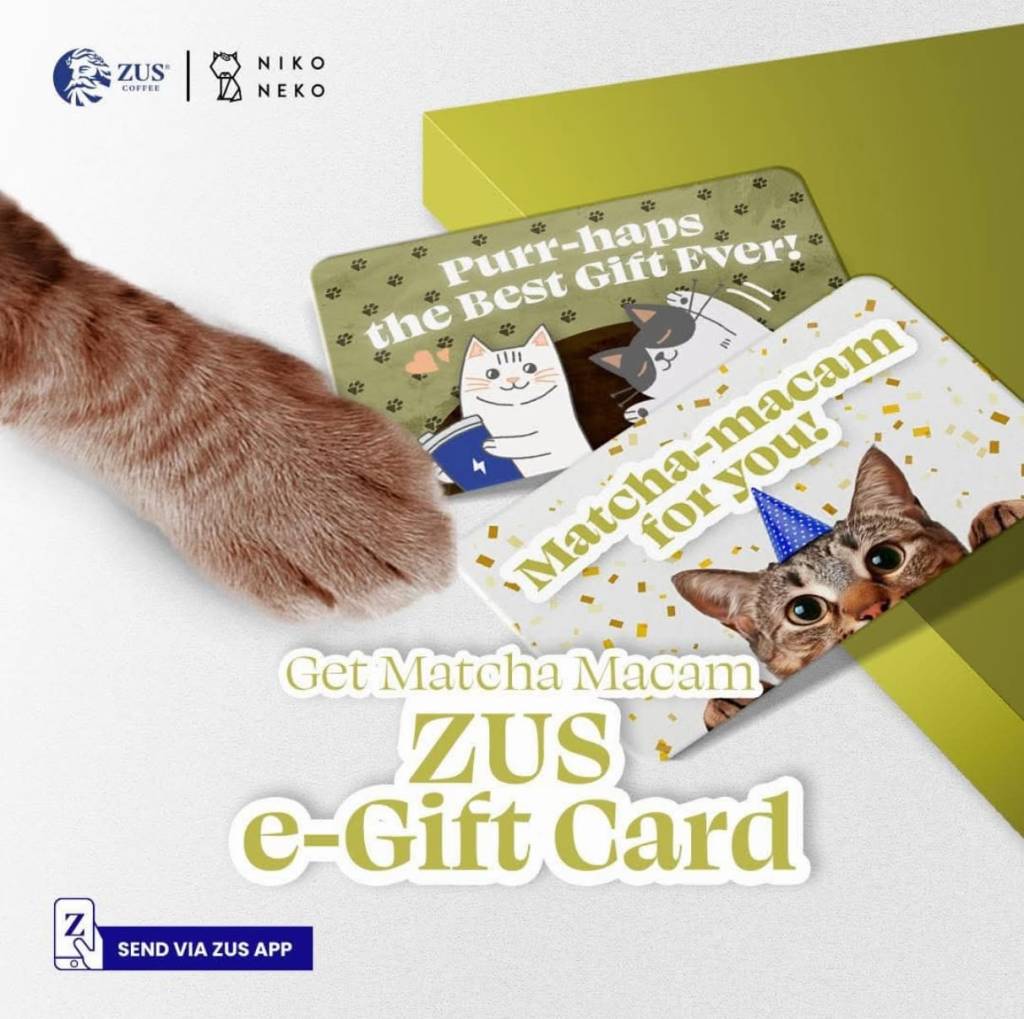
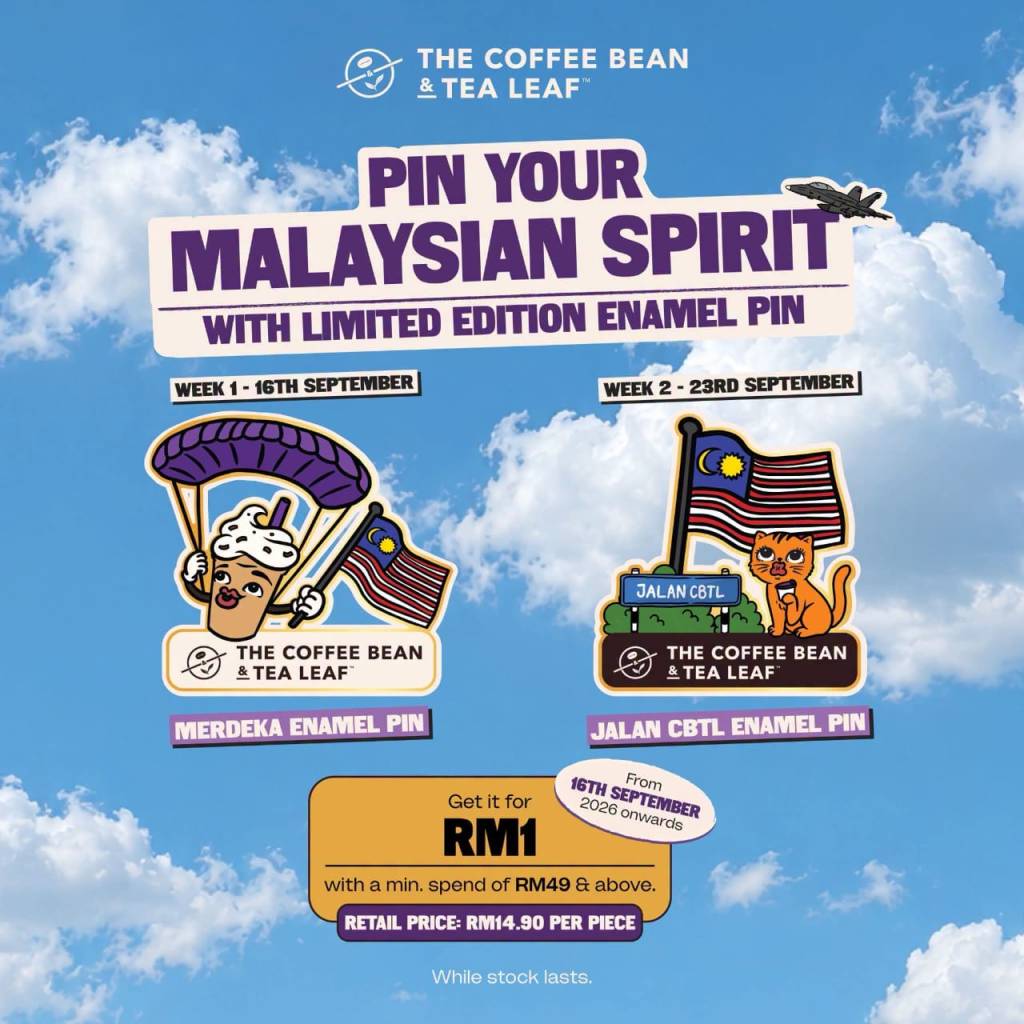
Purchase-with-purchase promotions, minimum spending requirements and bundle deals can encourage consumers to spend more to qualify for merchandise.
E. Generating organic publicity
Popular collectibles can attract media attention, social media discussions, unboxing videos and word-of-mouth recommendations.
F. Extending brand visibility
Unlike food and beverages that are consumed and forgotten, merchandise can remain with consumers for months or even years.
A branded tumbler, keychain or plushie may continue exposing the brand to others long after the campaign ends.
Ultimately, the objective is to turn a one-time transaction into a longer-term consumer relationship.
12. Is This Just a Passing Trend?
While the cat craze is exciting, brands should be careful not to jump onto the bandwagon simply because competitors are doing it.
Not every cute character will generate sales, and not every merchandise collaboration will translate into stronger brand loyalty.
There are several considerations businesses should take into account:
- Brand relevance: Does the character make sense for the brand’s identity and target audience?
- Target market: Are the intended customers genuinely interested in the character or collectible?
- Product quality: Is the merchandise attractive, practical and worth purchasing?
- Pricing: Does the perceived value justify the price?
- Campaign execution: Is there a clear promotional mechanic that encourages participation?
- Long-term strategy: Does the collaboration contribute to brand awareness, customer retention or sales objectives?
There is also the risk of trend fatigue. When too many brands release similar merchandise within a short period, consumers may eventually become less excited.
Brands should therefore focus on creativity, relevance and meaningful consumer experiences rather than simply following what is popular.
13. My Take as a Marketer
Personally, I find this trend fascinating because it shows how marketing has evolved beyond promoting the features and benefits of a product.
Brands are increasingly selling experiences, emotions, identities and things that consumers can connect with.
Cats are a particularly interesting marketing asset because they combine several powerful elements: cuteness, emotional attachment, internet culture, collectibility and established character fandoms.
However, I don’t think the success of these campaigns should be attributed to cats alone.
It is the combination of the right character, the right audience, an attractive product, a compelling promotional mechanic and good timing that makes the campaign work.
There is also a bigger lesson here for marketers and business owners.
Sometimes, consumers do not need another reason to buy your product. They need another reason to feel connected to your brand.
And perhaps a cute little cat is all it takes to start that conversation.
Now, I have two questions for you.
To you, as a consumer:
Are you someone who gets easily attracted to all kinds of cat merchandise? Be honest! Would you buy a drink, visit a store or spend extra just to get your hands on an adorable cat plushie, keychain or collectible?
To business owners and marketers:
With cats becoming such a popular marketing attraction, would you tap into this trend too? Would you consider collaborating with an established character IP, creating your own brand mascot or launching a limited-edition cat merchandise collection?
I’m curious to hear your thoughts. After all, this is one marketing trend that is certainly worth keeping an eye on!
*Photo credits belong to their respective rightful owners. All rights reserved.


