Health & Wellness, Lifestyle

AmLife’s 10th Anniversary: The Launch of a CSR-Driven Rehabilitation and Regenerative Centre

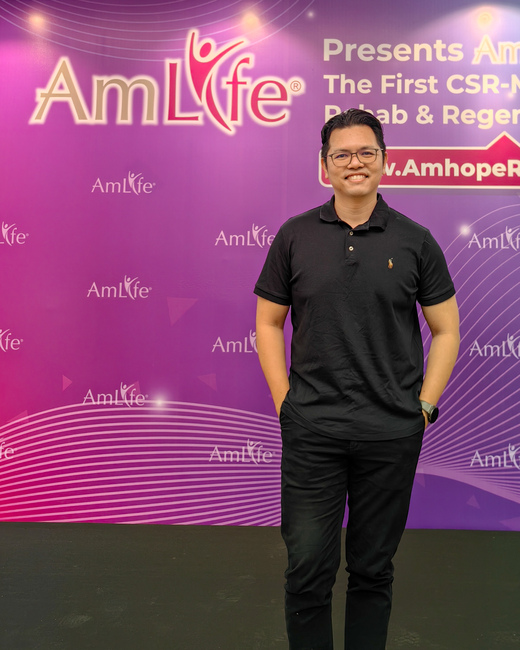
On 26 August 2024, I had the privilege of attending a significant event in Bandar Kinrara, Selangor that not only celebrated a decade of dedication but also marked a major leap forward in the healthcare sector. AmLife International, a name synonymous with sleep health, commemorated its 10th anniversary with the launch of an innovative rehabilitation and regenerative centre, driven by a strong CSR ethos. This centre is designed to make a meaningful difference in the lives of Malaysian seniors, especially those grappling with modern degenerative diseases like stroke.
Understanding the Urgency
As I listened to the speakers, I couldn’t help but reflect on the pressing issue of an aging population in Malaysia. The United Nations projects that by 2030, 15% of Malaysia’s population will be elderly. This demographic shift brings with it an increase in healthcare costs and a growing burden on society. Seniors today face a multitude of age-related issues, from muscle loss (Sarcopenia) to cardiovascular diseases and strokes. It’s staggering to learn that globally, 15 million people suffer from strokes annually, with Malaysia recording 50,000 new stroke cases each year. These statistics emphasize the need for urgent and effective healthcare interventions.
The Role of Quality Sleep
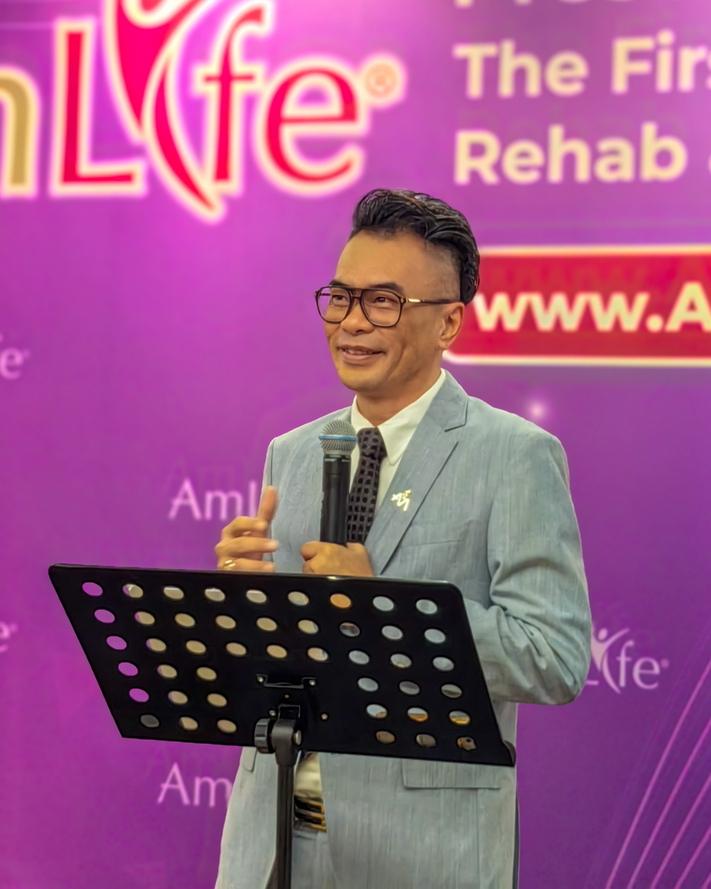
One of the key messages that resonated with me was the importance of quality sleep in preventing degenerative diseases. AmLife’s Founder and President, Mr. Lew Mun Yee, shared insights from their decade-long journey in sleep health education and solutions. He highlighted that sleep disorders could significantly impact cardiovascular health, thereby increasing the risk of stroke. It’s a sobering thought that stroke is not just an individual problem; it has far-reaching consequences, physically and financially, on families.
AmHope: A Beacon of Hope
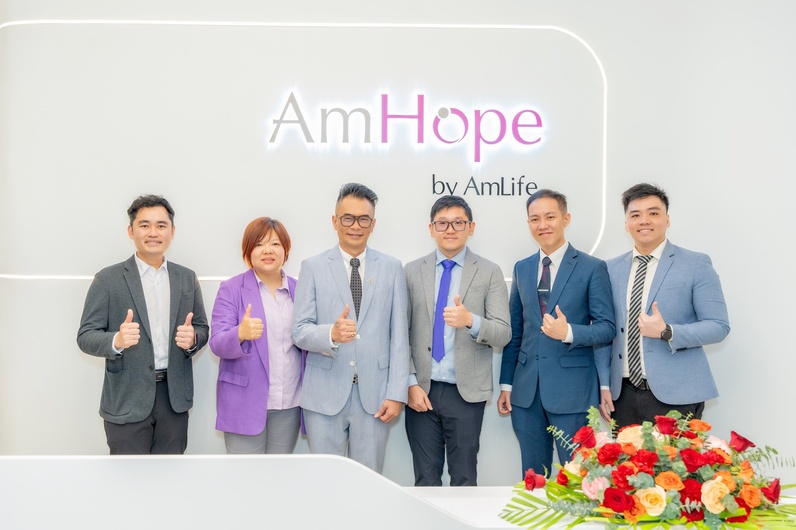
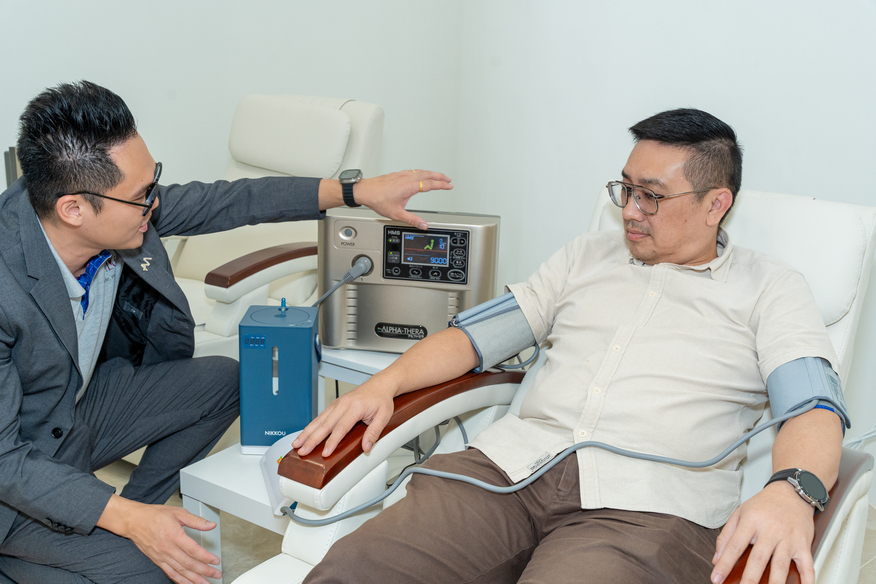
The highlight of the event was the introduction of AmHope, a state-of-the-art rehabilitation and regenerative centre. With an investment of RM1.4 million, AmLife is taking a significant step towards helping seniors overcome the challenges posed by stroke and other physical health issues. The centre represents a beacon of hope, offering pioneering technology and therapies that could make a real difference in the lives of stroke survivors.

One of the standout features of AmHope is its focus on the critical 90-day golden window for stroke recovery. This period is crucial for brain recovery, and rehabilitation during this time can significantly increase the chances of full recovery. However, financial constraints often prevent patients from accessing timely care. AmLife’s solution? Offering substantial financial aid to stroke patients, making physiotherapy sessions available at just RM30 per session, compared to the normal market rate of RM150. This 80% financial relief extends to all treatments and equipment at the centre, embodying a charity-inspired model of care.
Advanced Technology for Stroke Prevention and Recovery
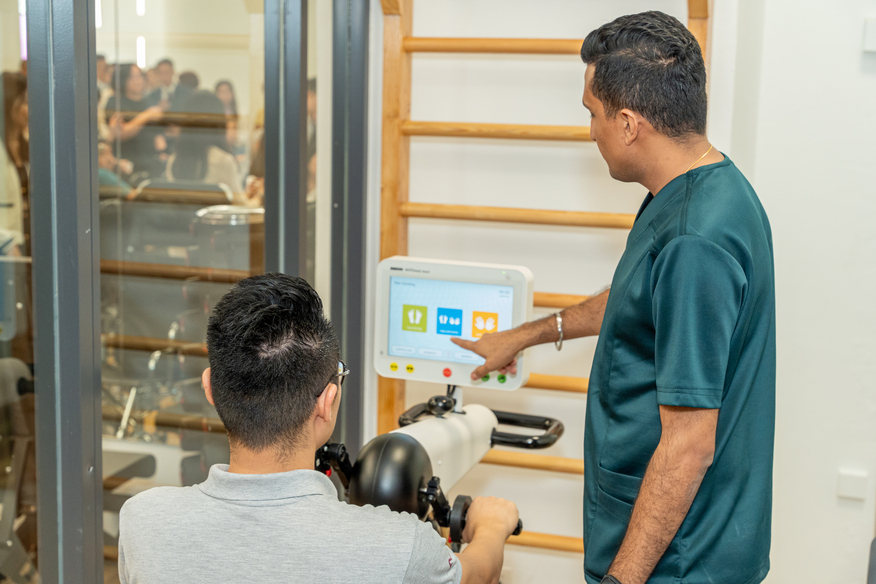
AmHope is equipped with cutting-edge technology to support stroke recovery and prevention. One such innovation is High Potential Hydrogen Therapy (HPHT), designed to reduce the chances of a second stroke. The centre also offers Hyperbaric Oxygen Therapy, known for accelerating healing processes for various conditions, including brain injuries. Additionally, AmLife’s signature Japanese patented Electric Potential Therapy recharges the body’s regenerative and cardiovascular abilities, making it ideal for immobile stroke patients.

A Comprehensive Approach to Stroke Recovery
The event also featured insights from Associate Professor Dr. Khoo Ching Soong of Universiti Kebangsaan Malaysia, who emphasized the importance of the first 90 days following a stroke. This period is critical for intensive rehabilitation, which can help patients regain motor, speech, and cognitive functions. Dr. Khoo also introduced alternative therapies, such as repetitive transcranial magnetic stimulation (rTMS), which can benefit a range of motor and cognitive outcomes after a stroke.
The Road Ahead
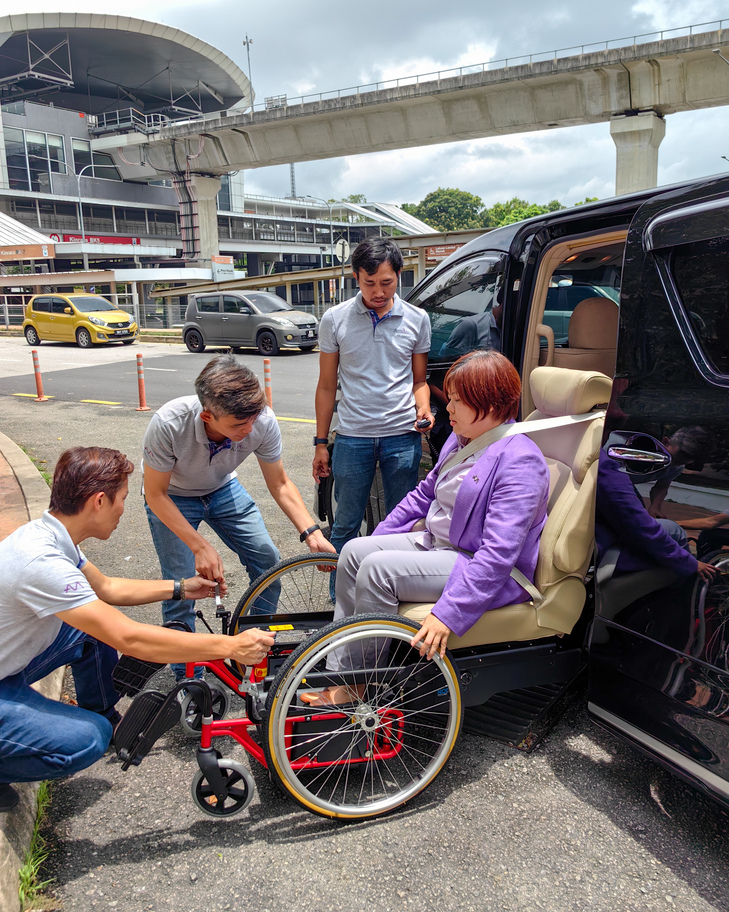
Stroke recovery is a challenging journey, but it’s heartening to know that with the right support, patients can regain significant function even years after the event. The statistics shared during the event were encouraging, with studies showing that active individuals have a much lower risk of stroke and stroke-related death. AmHope’s Director of Senior Care, Dr. Choo Hao Jian, emphasized the importance of staying active, not just for preventing stroke but for overall well-being. His advice for seniors and stroke survivors was clear: keep moving, stay active, and embrace rehabilitation to regain mobility and quality of life.

Final Thoughts
As I left the event, I felt inspired by the work AmLife is doing through AmHope. This centre is more than just a healthcare facility; it’s a lifeline for many who are facing the challenges of stroke and other degenerative diseases. If you or someone you know could benefit from these services, I highly recommend learning more about AmHope. You can find additional details on their website at www.amlife.com.my or www.AmHopeRehab.com

This event was a powerful reminder that with the right interventions, the story doesn’t have to end with a stroke. Instead, it can be the beginning of a new chapter, one where recovery and a return to a quality life are very much possible.

Food & Drink, Travel

Cafes with “Healing” Vibes Across Thailand & Laos

As a food and coffee lover, travel without food hunting is no fun. Exploring Thailand and Laos offers a chance to discover spots that are perfect for unwinding and recharging. These cafes and eateries provide not just delicious food but also a calming atmosphere that soothes the soul.

Food Trucks at Samila Beach, Songkhla
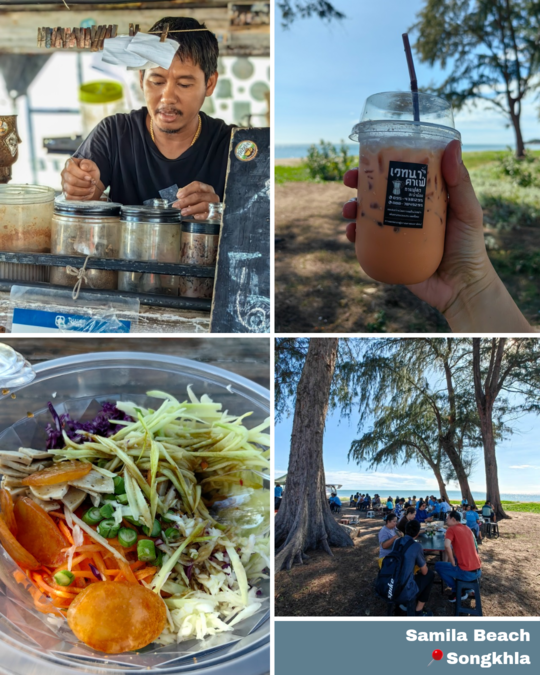
I was surprised that there are many food trucks along Samila Beach in Songkhla that offer a unique and laid-back dining experience by the sea. Imagine savouring local snacks and refreshing drinks as you relax on the sandy shore, with the gentle sound of the waves in the background. Fret not, there are tables and chairs prepared, and you do not need to bring your own mat. The casual, beachside setting provides a tranquil escape, allowing you to soak in the healing energy of the ocean.

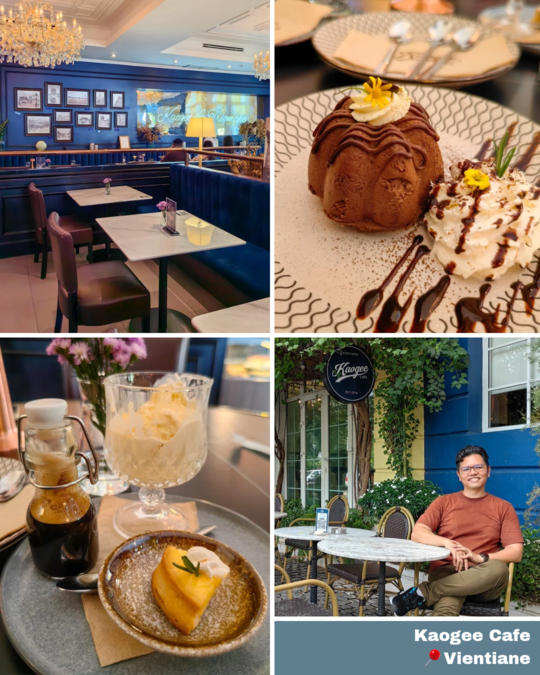
Kaogee Cafe, Vientiane (Kaogee Le Triomphe)
Kaogee Cafe in Vientiane, Laos, blends French influences with local charm, creating an inviting atmosphere that’s perfect for relaxation. The cafe’s interior design features elegant touches reminiscent of French cafes, while the menu offers a fusion of traditional Lao dishes and French-inspired delicacies. Whether you’re enjoying a buttery croissant or a rich coffee, the soothing ambiance and refined decor make Kaogee Cafe a wonderful place to unwind and experience a taste of French elegance in the heart of Laos.

📍Kaogee Le Triomphe
Patuxay, ຮ່ອມ 13, Vientiane, Laos
Operating hours: 7AM – 8PM
Location: https://maps.app.goo.gl/go6dCgSgqXuFEFx67
Website: https://kaogeecafe.com

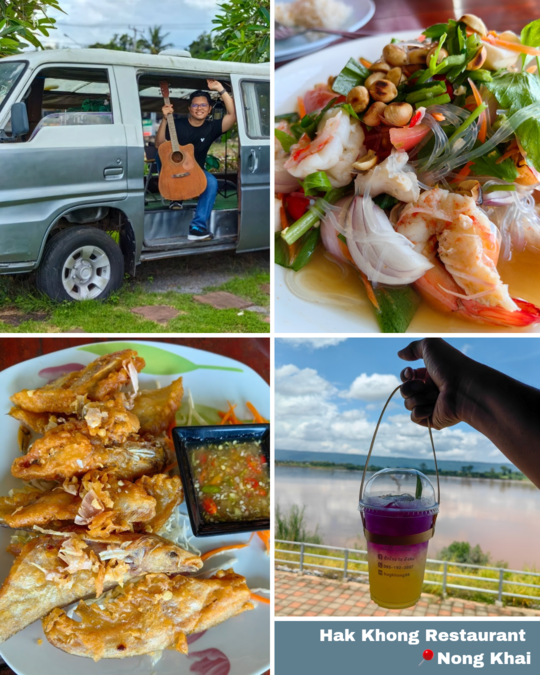
Hak Khong Restaurant, Nong Khai
Located along the Mekong River in Nong Khai, Thailand, Hak Khong Restaurant is known for its dishes made with fresh fish sourced directly from the river. This riverside eatery is a haven for food lovers and Instagram enthusiasts alike, with its picturesque setting offering plenty of photo-worthy spots. The combination of delicious, freshly prepared meals and stunning views makes Hak Khong Restaurant a perfect destination for those seeking both culinary delight and visual inspiration.

📍Hak Khong Restaurant
444, Sangkhom, Sangkhom District, Nong Khai 43160, Thailand
Location: https://maps.app.goo.gl/j1ng9foffP7uwbNg6

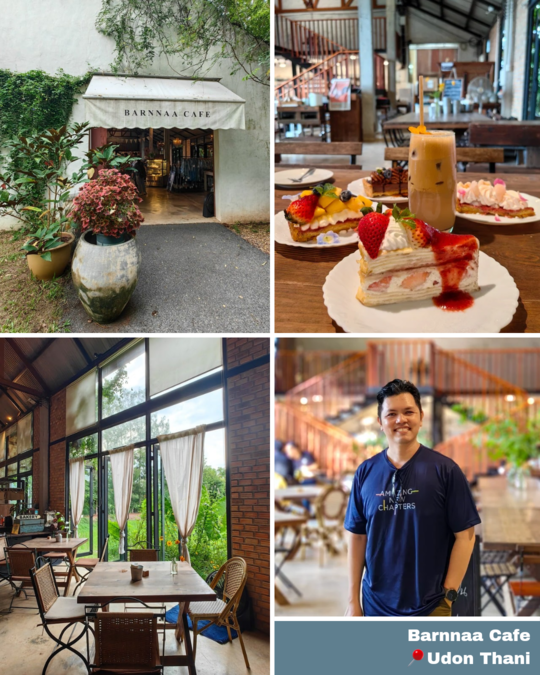
Barnnaa Cafe, Udon Thani
Barnnaa Cafe in Udon Thani is the ultimate spot to unwind and relax. The cafe offers a choice of cozy indoor seating or a breezy outdoor area, allowing you to enjoy the serene surroundings while sipping on a coffee or indulging in a sweet treat. The peaceful environment and beautiful decor create a haven where you can escape the hustle and bustle of travel and take a moment to recharge. Whether you choose to sit inside or outside, Barnnaa Cafe provides a tranquil retreat that’s perfect for relaxation.

📍Barnnaa Cafe
95 หมู่ที่ 1 Mu Mon, Mueang Udon Thani District, Udon Thani 41000, Thailand
Operating hours: 9AM – 5:30PM
Location: https://maps.app.goo.gl/6dPoDPRX3wKZfrje9
Facebook: https://www.facebook.com/barnnaacafe

These spots across Thailand and Laos offer more than just food and drinks—they provide calming environments where you can relax, recharge, and enjoy a moment of peace amidst your travels. Who’s ready for a “healing” trip back to these eateries with me?

Travel

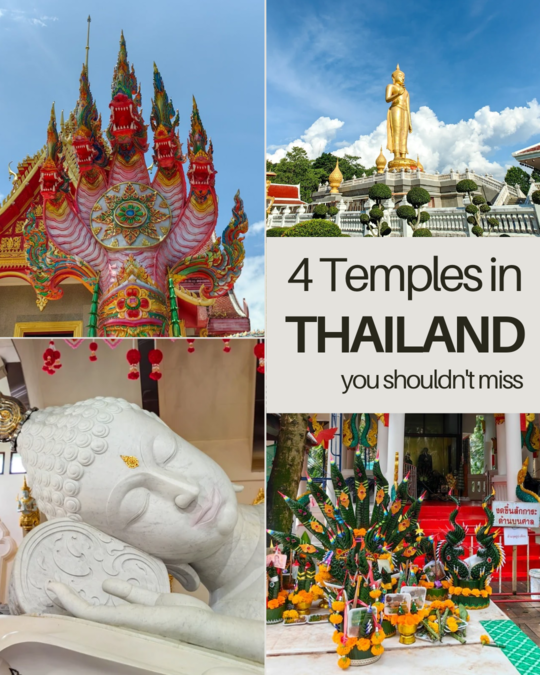
4 Temples in Thailand You Shouldn’t Miss

As we all know, Thailand is home to some of the most magnificent temples in the world, each offering a unique spiritual experience and showcasing the country’s rich cultural heritage. In my last trip, I managed to visit some interesting one which I think you should visit too. If you’re planning a trip to Thailand, these four temples should be in your list.

Kor Hong Hill Temple (Wat Khao Kho Hong)
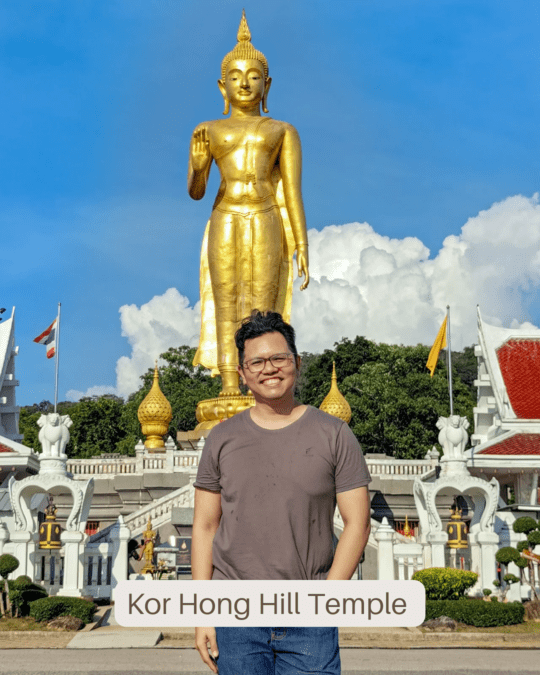
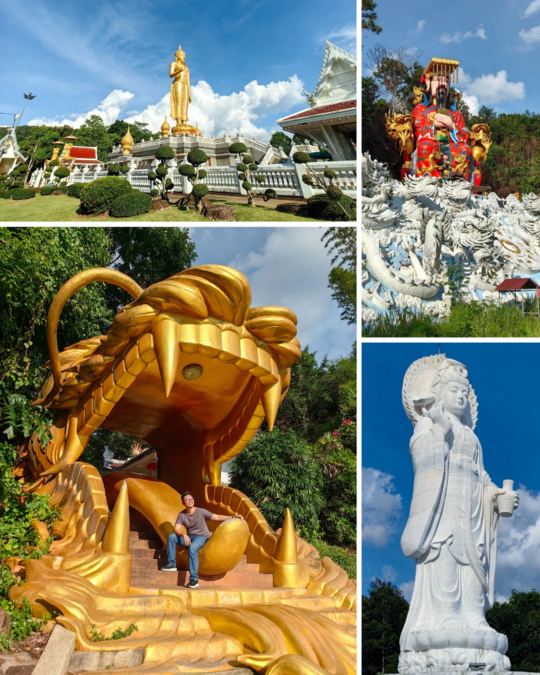
This temple is nestled in the Hat Yai district of Songkhla. Kor Hong Hill Temple is a serene retreat that offers breathtaking views of the surrounding area. Perched atop a hill, the temple provides a stunning vantage point to admire the cityscape and the lush greenery below. The temple is known for its giant Buddha statue, which stands as a guardian overlooking Hat Yai. Besides the Buddha, there stood the Guanyin statue (Goddess of Mercy) at the lower tier of the hill. The peaceful ambiance of Kor Hong Hill Temple makes it an ideal place for meditation and reflection. Whether you’re there to seek blessings or simply enjoy the tranquil atmosphere, this temple is a must-visit for those exploring Southern Thailand.

📍Kho Hong, Hat Yai District, Songkhla 90110, Thailand
Operating hours: 6AM – 8PM daily
Entrance fee: FREE

Wat Pha Tak Suea
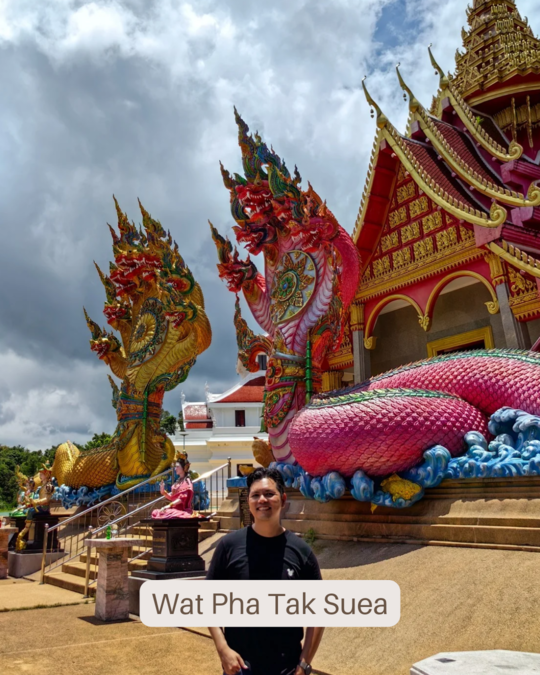
Wat Pha Tak Suea, located in the Nong Khai province, is a colourful temple that offers one of the most breathtaking views in Thailand. Positioned on a cliff overlooking the Mekong River, this temple provides visitors with a chance to witness the river winding through the landscape, creating a mesmerizing scene that stretches into Laos. The highlight of Wat Pha Tak Suea is its glass skywalk, where you can step out over the cliff’s edge and feel as though you’re floating above the lush scenery below. This temple is not just a place of worship but also a destination for nature lovers and adventure seekers, making it a must-see in the northeastern region.

📍Pha Tang, Sangkhom District, Nong Khai 43160, Thailand
Operating hours: 6AM – 6PM daily
Entrance fee: FREE (but need to buy shoes cover at 20THB to step on the skywalk)

Wat Pa Phu Kon
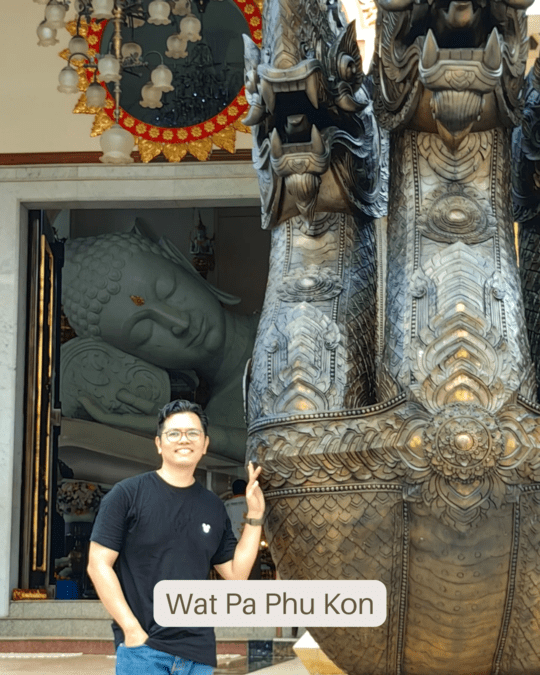
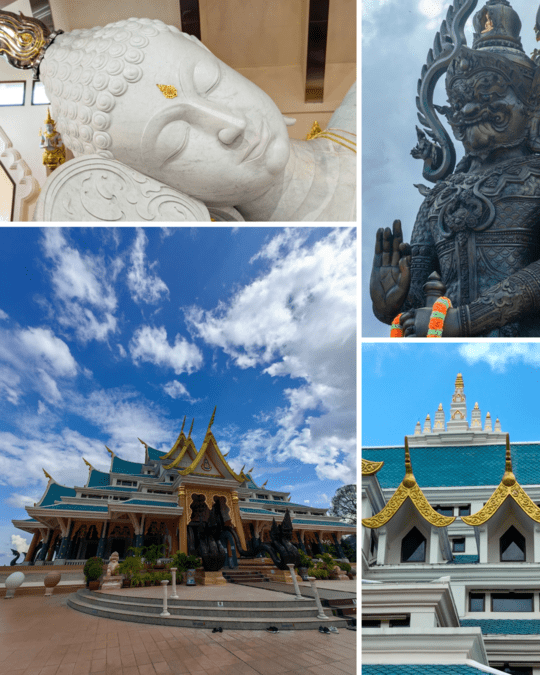
Located in Udon Thani province, Wat Pa Phu Kon is often referred to as the “Blue Temple” due to its beautiful blue exterior. This temple is a hidden gem, surrounded by mountains and forests, offering a serene and picturesque setting. The temple’s unique architecture, with its turquoise roof and intricate carvings, is truly a sight to behold. Inside, you’ll find a stunning 20-metre reclining Buddha statue made from natural marble, one of the largest and most beautiful in Thailand. The peaceful atmosphere at Wat Pa Phu Kon makes it an ideal place for meditation and spiritual contemplation.

📍99, Ban Kong, Na Yung District, Udon Thani 41380, Thailand
Operating hours: 8:30AM – 5PM daily
Entrance fee: FREE

Kam Cha Not Temple
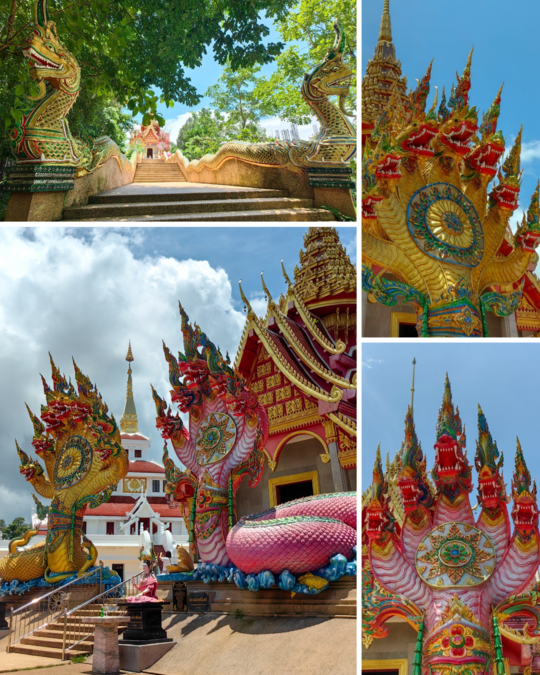
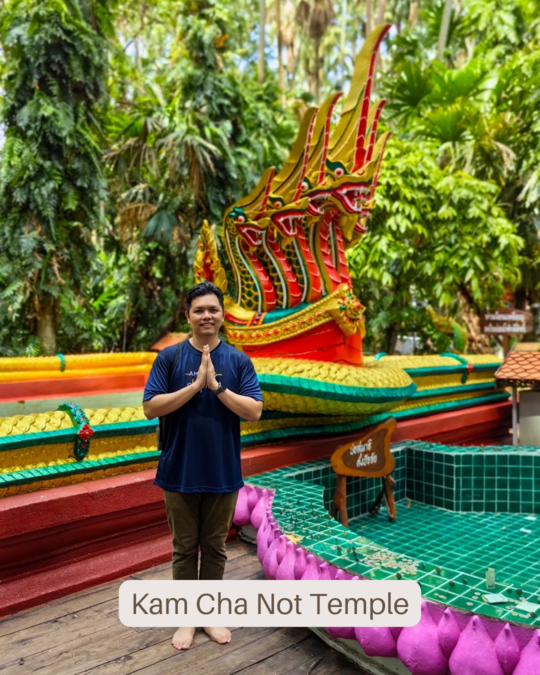
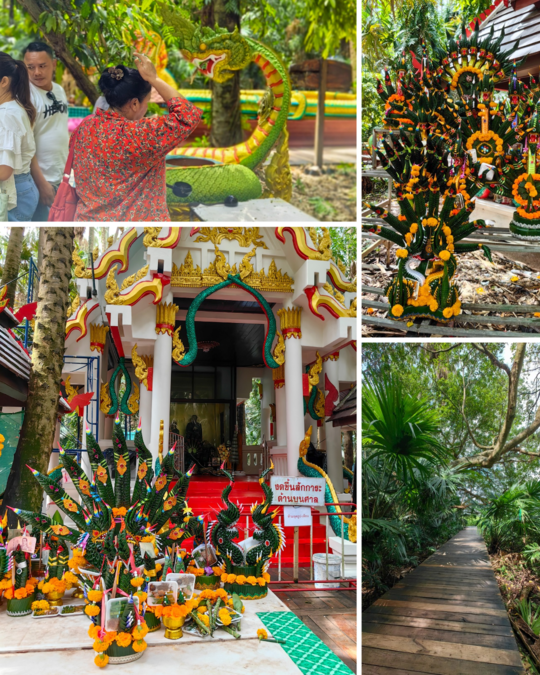
This temple is situated in Udon Thani’s Ban Dung district, and is a mystical temple known for its connection to the Naga serpent legend. The temple is located on an island surrounded by a swamp, believed to be the dwelling place of the Naga. Visitors come here to pay respects and seek blessings, often participating in ceremonies that involve offerings to the Naga spirits. One of the unique offerings people bring is the Naga-shaped Bai Sri which is a traditional Thai banana leaf arrangement. It symbolizes protection and prosperity, and it honours the revered Naga serpent in Thai spirituality. The temple’s unique setting, combined with its spiritual significance, makes it a fascinating place to explore. The surrounding area is lush and peaceful, adding to the temple’s otherworldly charm.

📍Rural Rd, Ban Muang, Ban Dung District, Udon Thani 41190, Thailand
Operating hours: 7AM – 6PM daily
Entrance fee: FREE

Travel

Ban Chiang National Museum: A UNESCO World Heritage Site in Udon Thani with Stunning Ancient Pottery and Archaeological Highlights

Ban Chiang National Museum, located in Udon Thani, Thailand, is a must-visit destination for history enthusiasts and cultural explorers. Recognized as a UNESCO World Heritage Site, the museum is dedicated to the Ban Chiang archaeological site, which is one of the most important prehistoric settlements in Southeast Asia.

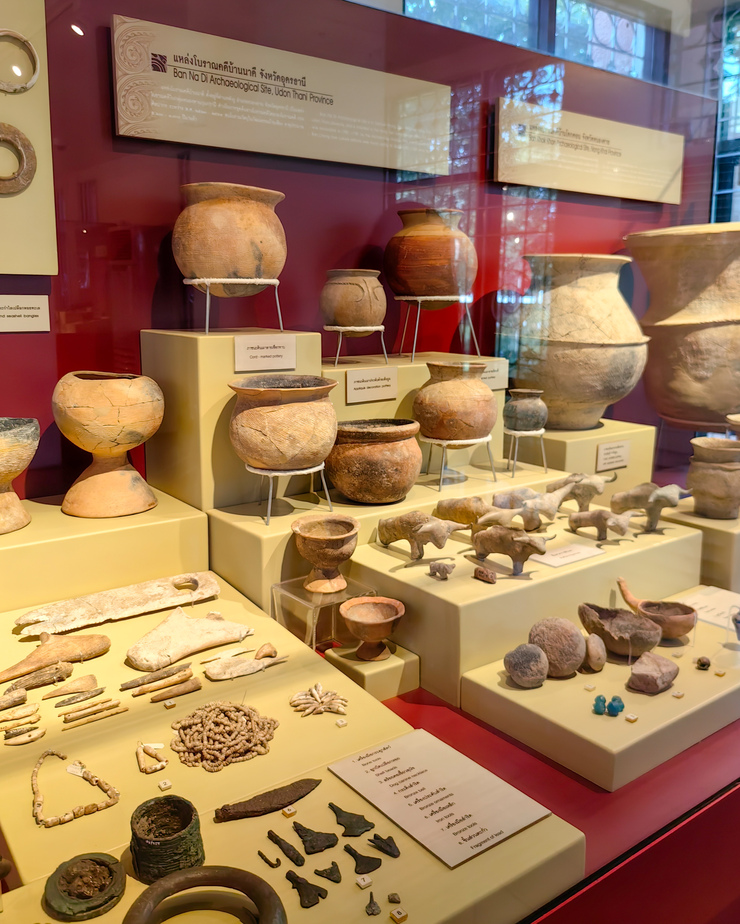
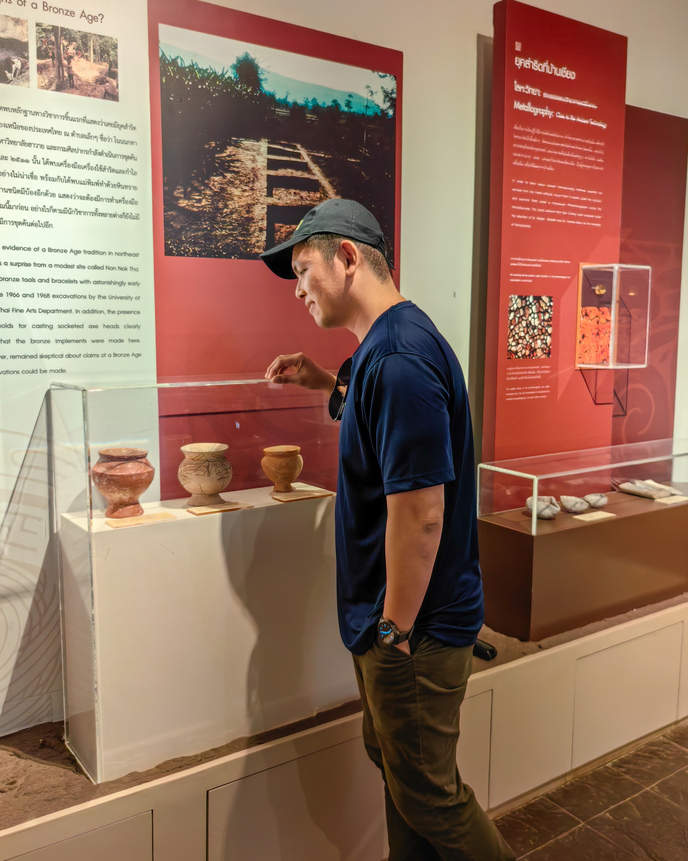
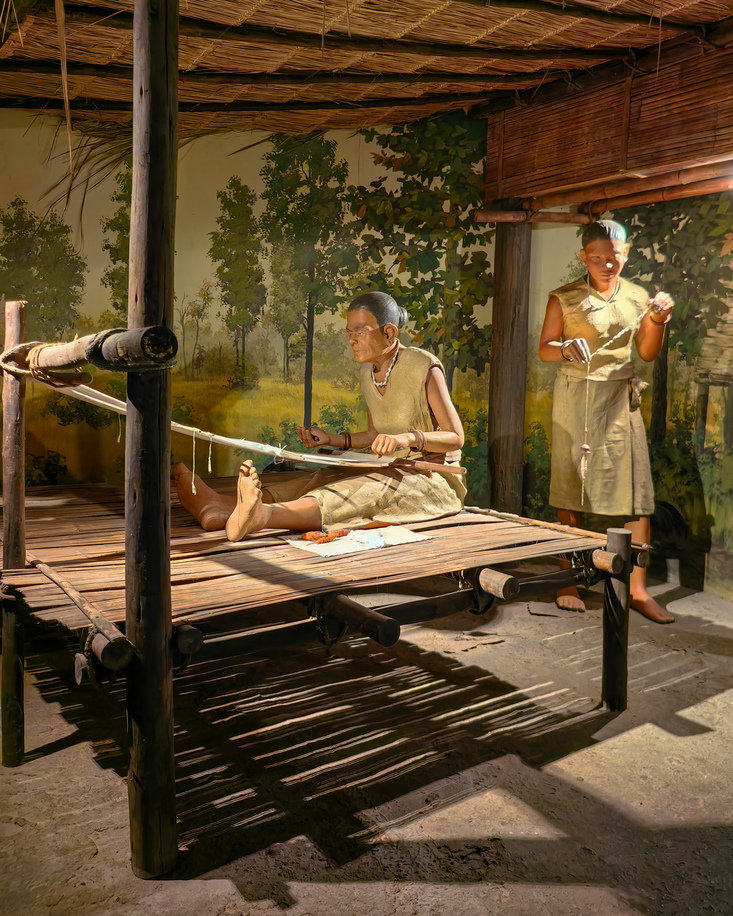
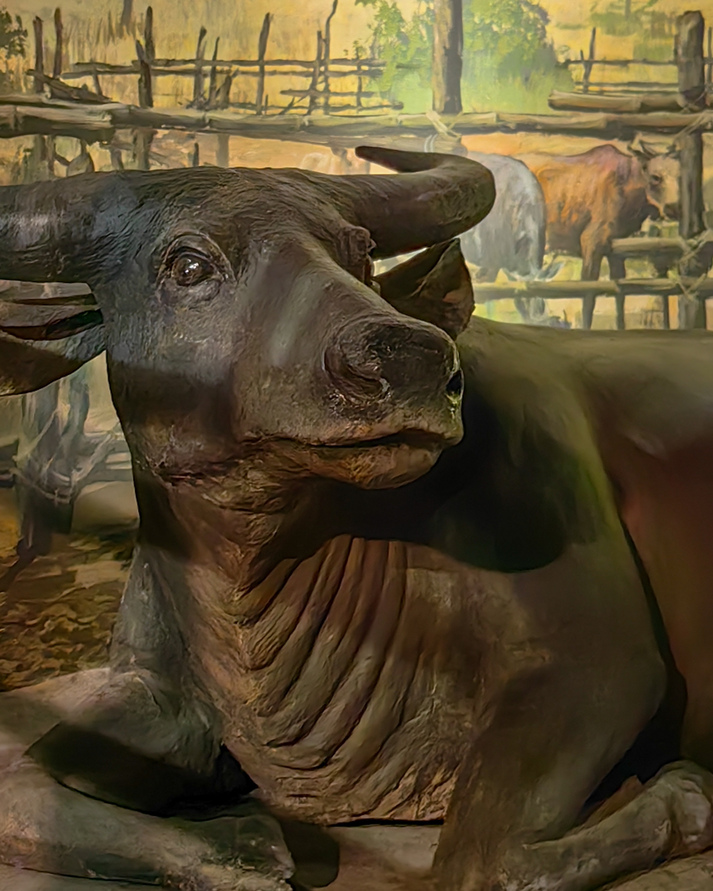
As I walked through the exhibits, I was captivated by the story of the Ban Chiang civilization, which flourished over 5,000 years ago. The museum’s collection of pottery, tools, and bronze artifacts was impressive, but what really stood out to me were the life-like replicas of animals that once roamed the area. These displays brought the ancient world to life, making it easy to imagine what the region was like thousands of years ago.

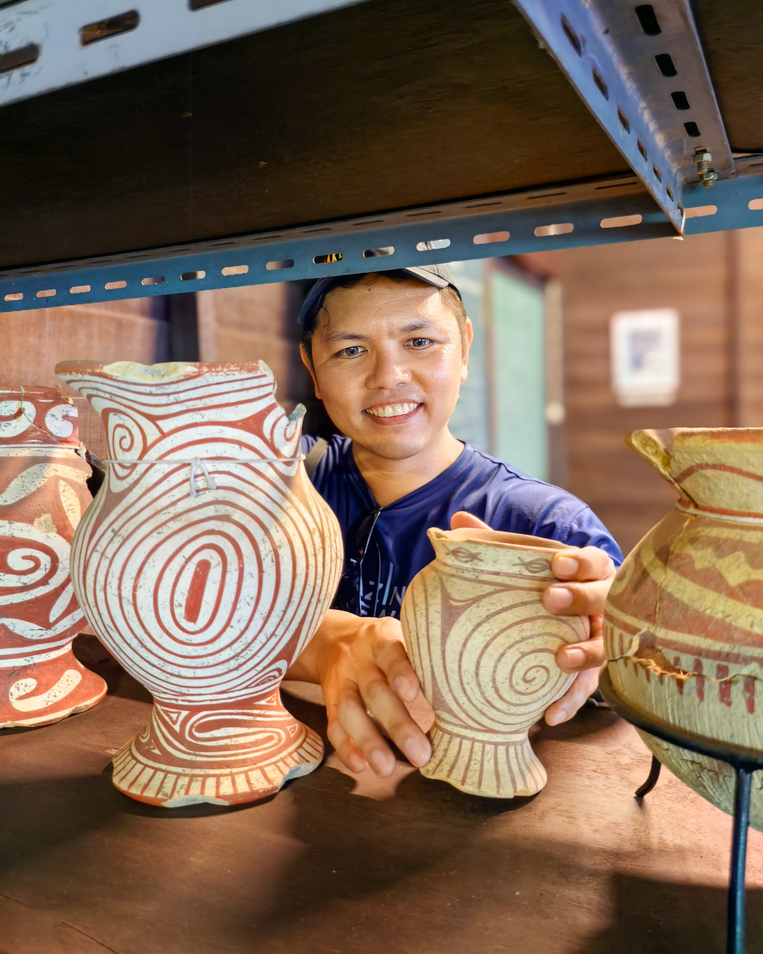
What truly stood out to me during my visit to Ban Chiang National Museum was the intricate painting patterns on the ancient pottery. These designs are visually striking and deeply symbolic, reflecting the artistic expression of the Ban Chiang people thousands of years ago. The red-painted swirls, lines, and geometric shapes are iconic and captivating, showcasing the meticulous detail and craftsmanship of the time. The patterns are not just decorative; they tell a story of the culture, beliefs, and daily life of the Ban Chiang civilization, with some inspired by nature and others holding ritualistic significance. Seeing these designs up close gave me a profound appreciation for the skill and creativity of ancient artisans and a glimpse into their enduring legacy.

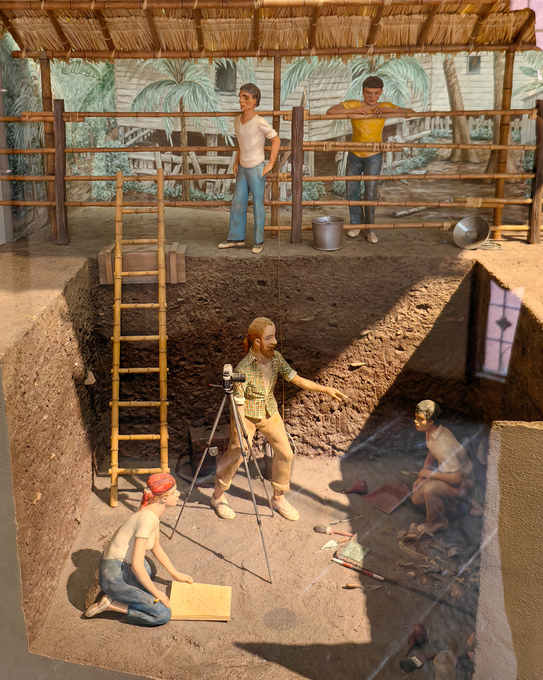
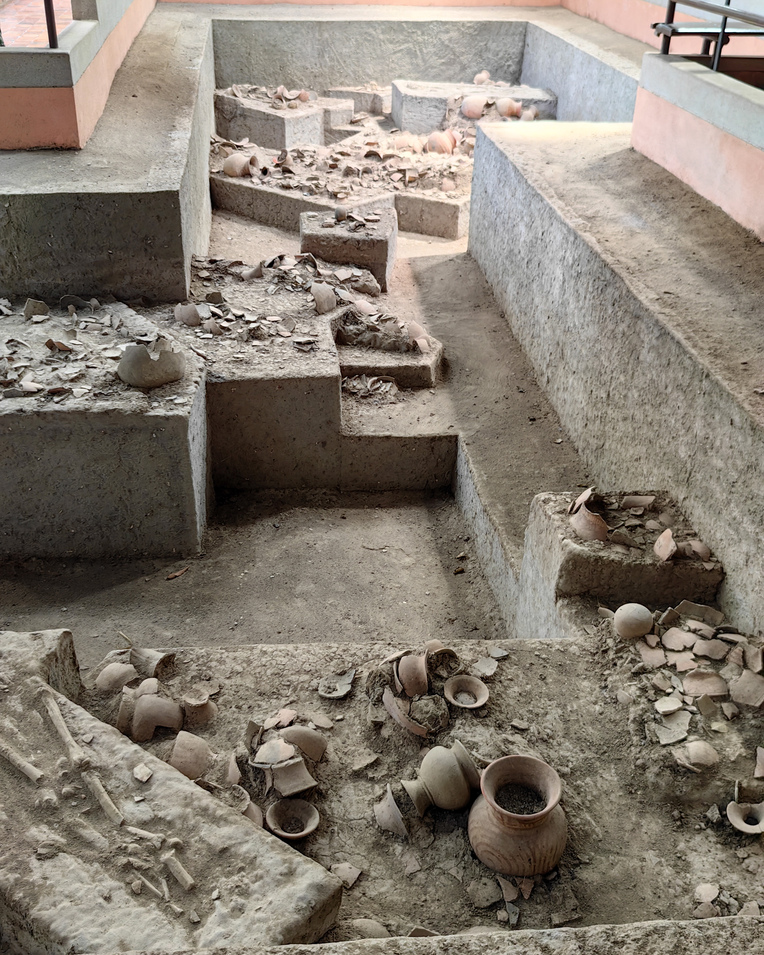
for your information, the archaeological site located not far from the museum was another highlight. Seeing the excavation areas where these ancient artifacts were discovered gave me a deeper appreciation for the meticulous work that has gone into preserving this piece of history. I could almost feel the connection to the past as I stood there, imagining the daily lives of the people who once called Ban Chiang home.

Overall, my visit to Ban Chiang National Museum was not only educational but also incredibly immersive. The museum does a fantastic job of blending history with engaging displays, making it a must-visit for anyone interested in Thailand’s rich cultural heritage.

📍Ban Chiang National Museum
หมู่ที่ 13, ถนน สุทธิพงษ์, Ban Chiang, Nong Han District, Udon Thani 41320, Thailand
Operating hours: 9AM – 4PM daily
Entrance fee: 150 THB

Travel

Explore Patuxai Victory Monument in Vientiane, A Spot for History, Culture, and Panoramic Views

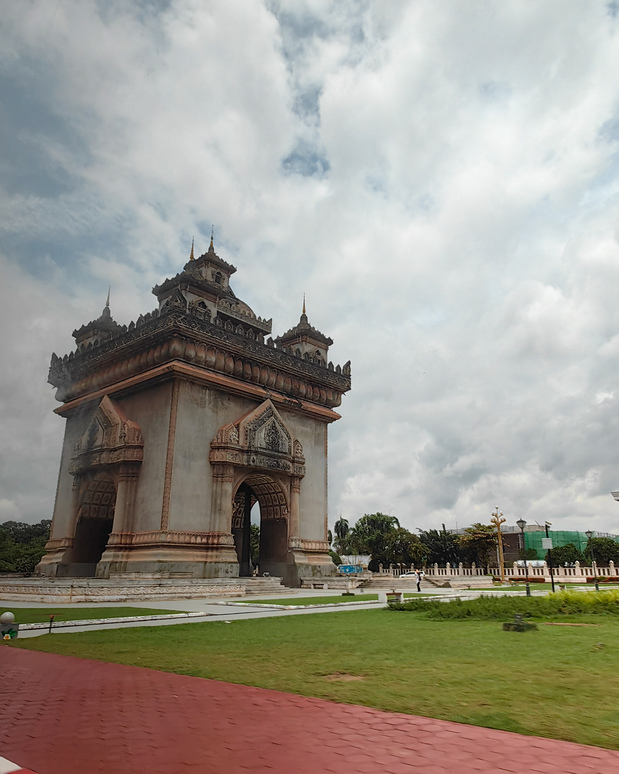
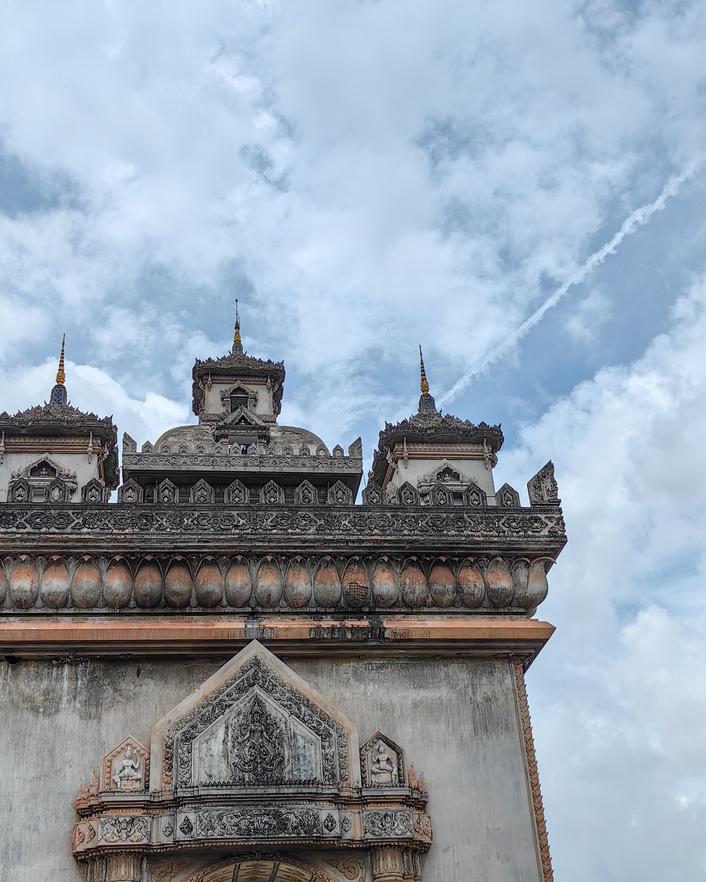
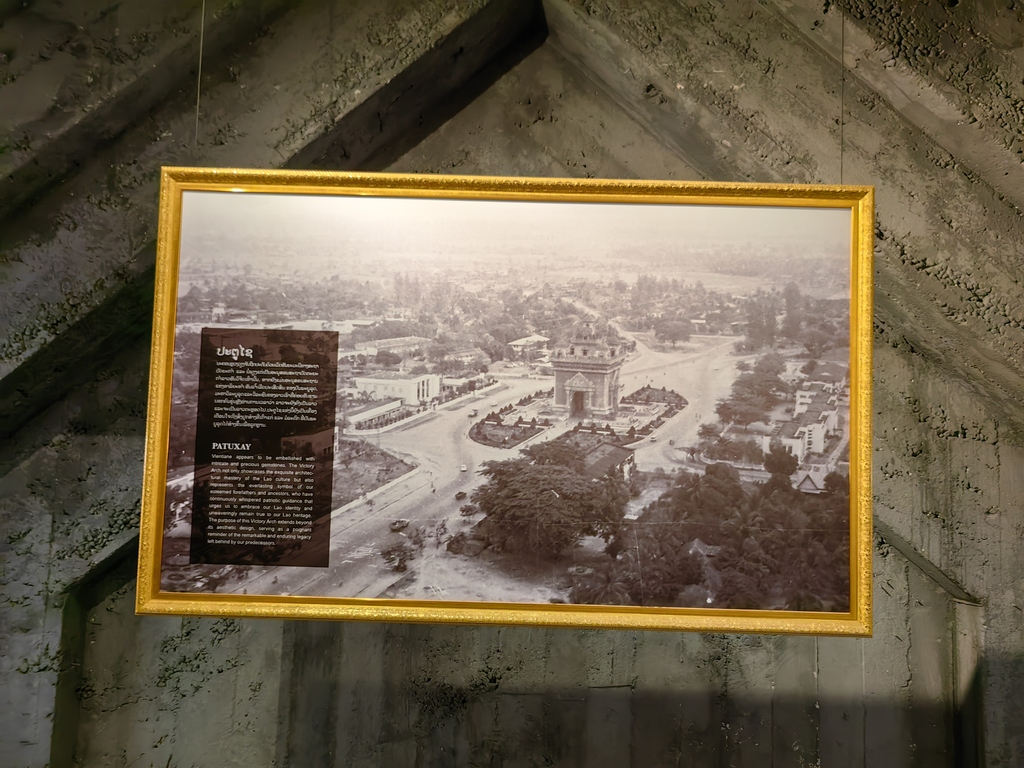
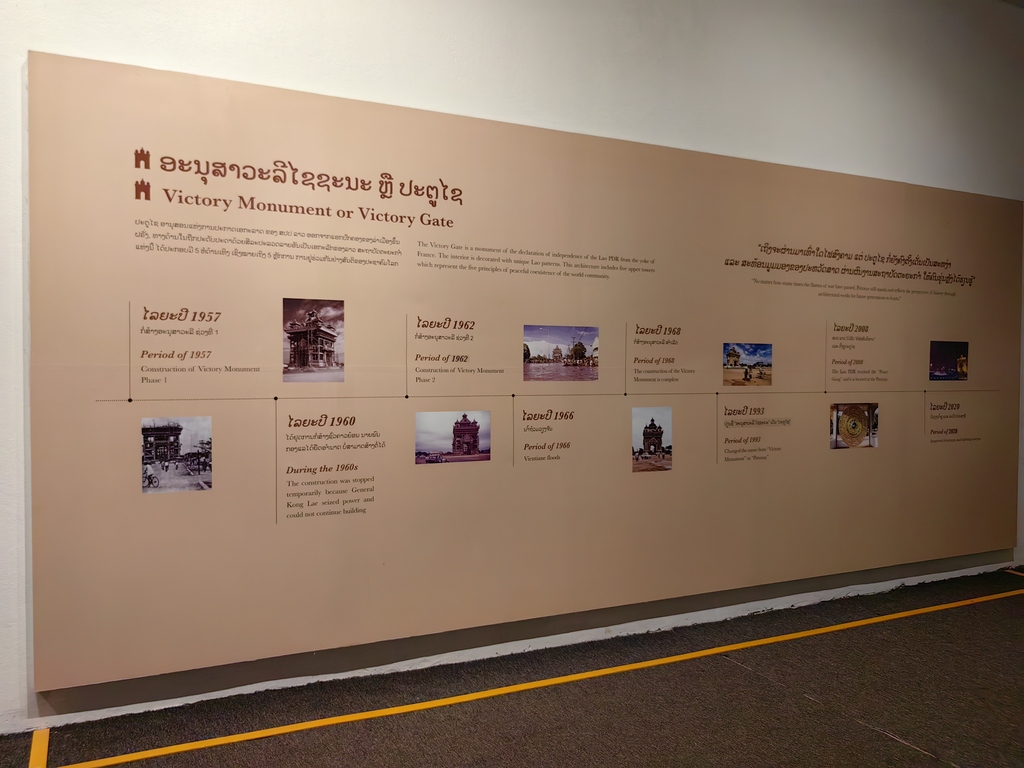
The Victory Monument, also known as Patuxai (also spelt as Patuxay), is an iconic landmark in Vientiane, Laos. This monument, resembling the Arc de Triomphe in Paris, was constructed between 1957 and 1968 to honor those who fought for independence from France. However, its unique design incorporates Laotian architectural elements, including intricate reliefs depicting mythological creatures and scenes from local legends. At 180 feet (55 meters) high, Patuxai stands taller than the original Arc de Triomphe, making it one of the tallest buildings in Vientiane. Interesting isn’t it?

Patuxai is located at the end of Lang Xang Avenue in the heart of Vientiane. The Prime Minister’s Office, which houses various administrative offices, is located in front of Patuxai. Its central location makes it easily accessible, whether you’re exploring the city on foot or by vehicle.

Why Should You Visit?
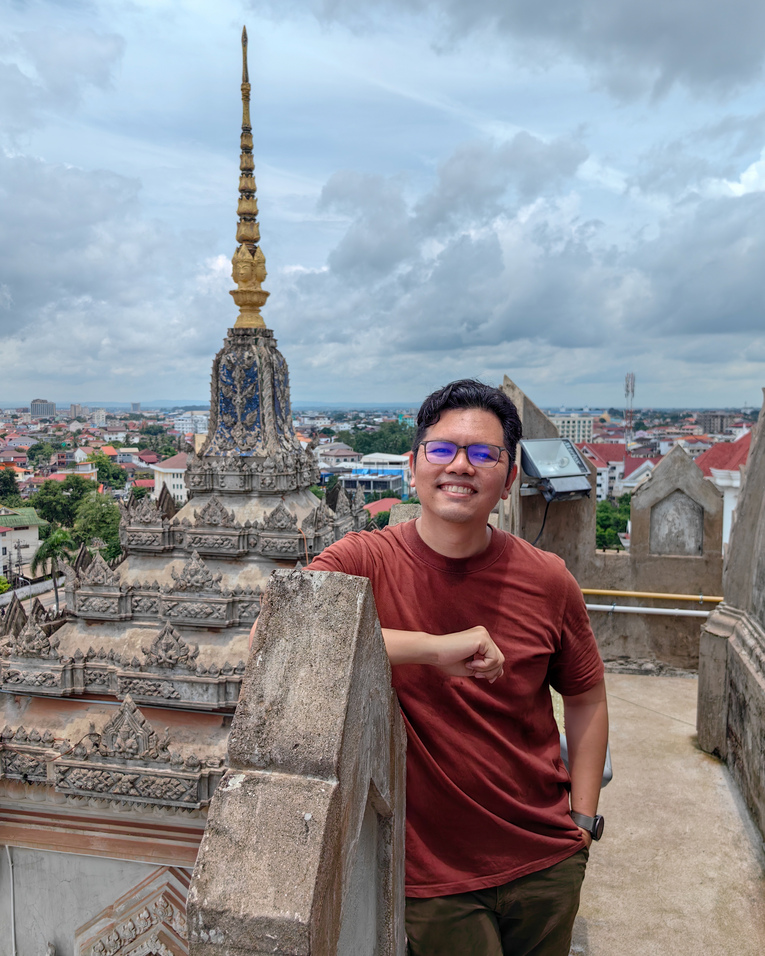
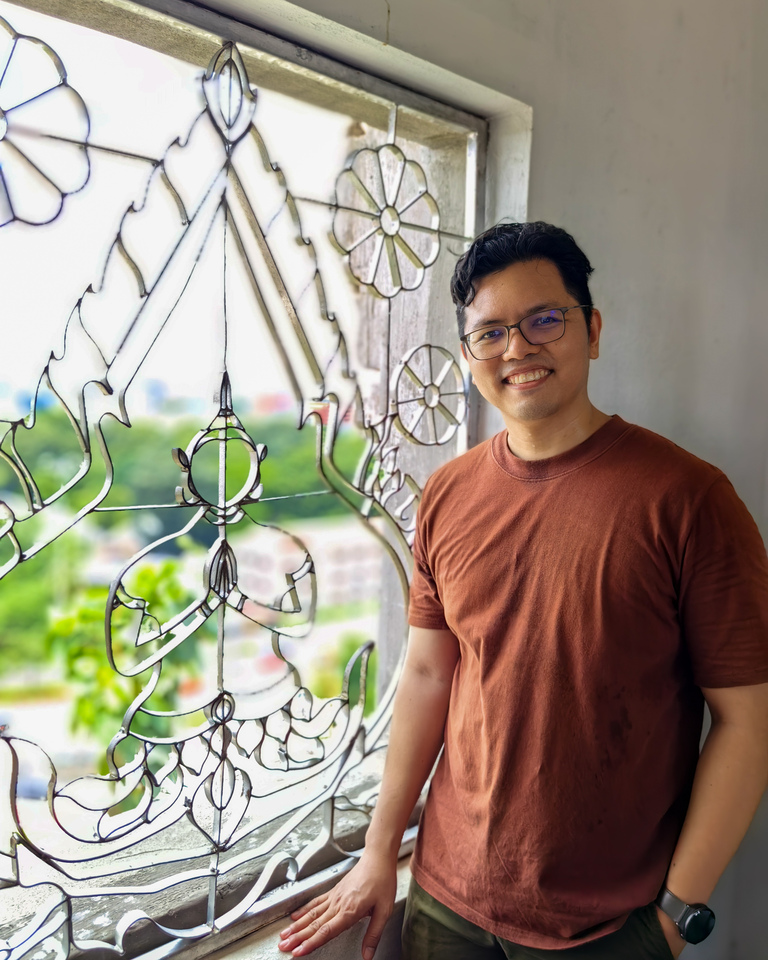
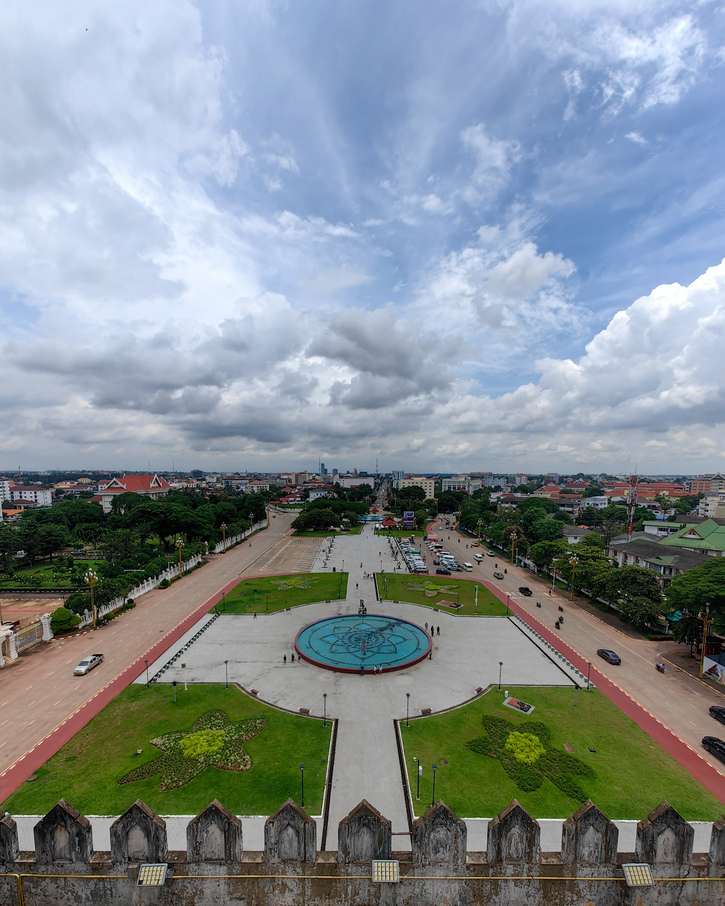
Visiting Patuxai offers a glimpse into Laos’ history and a chance to appreciate the blend of French colonial and Laotian architectural styles. Climbing 7 floors to the top rewards you with panoramic views of Vientiane, making it a popular spot for photography. The surrounding gardens and fountains create a serene atmosphere, perfect for a leisurely stroll.

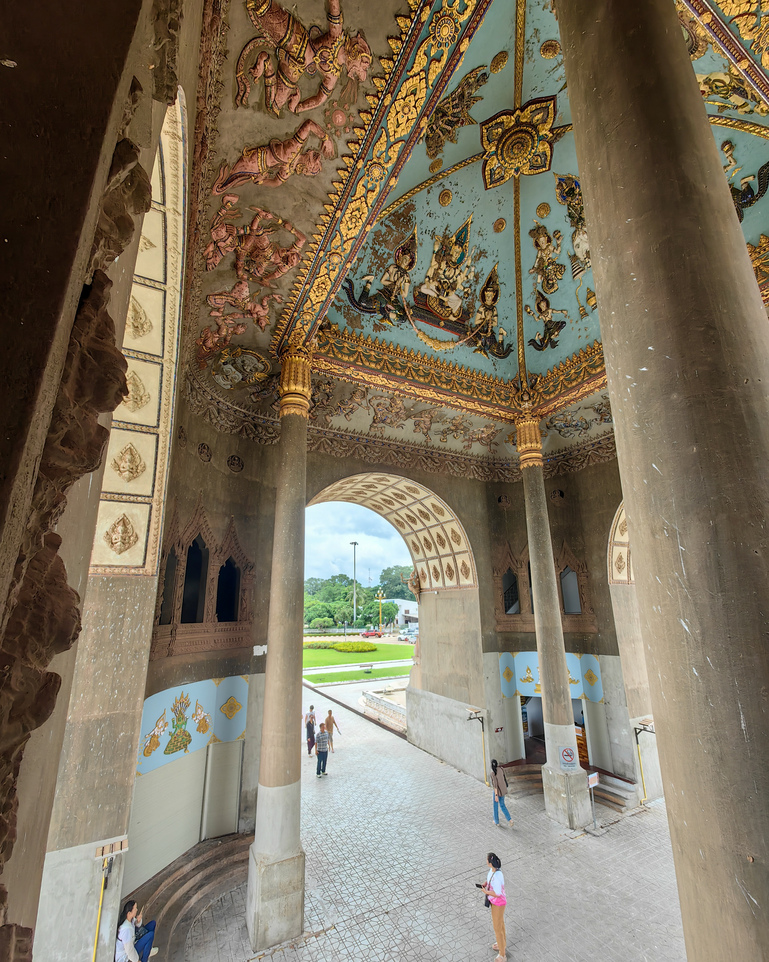
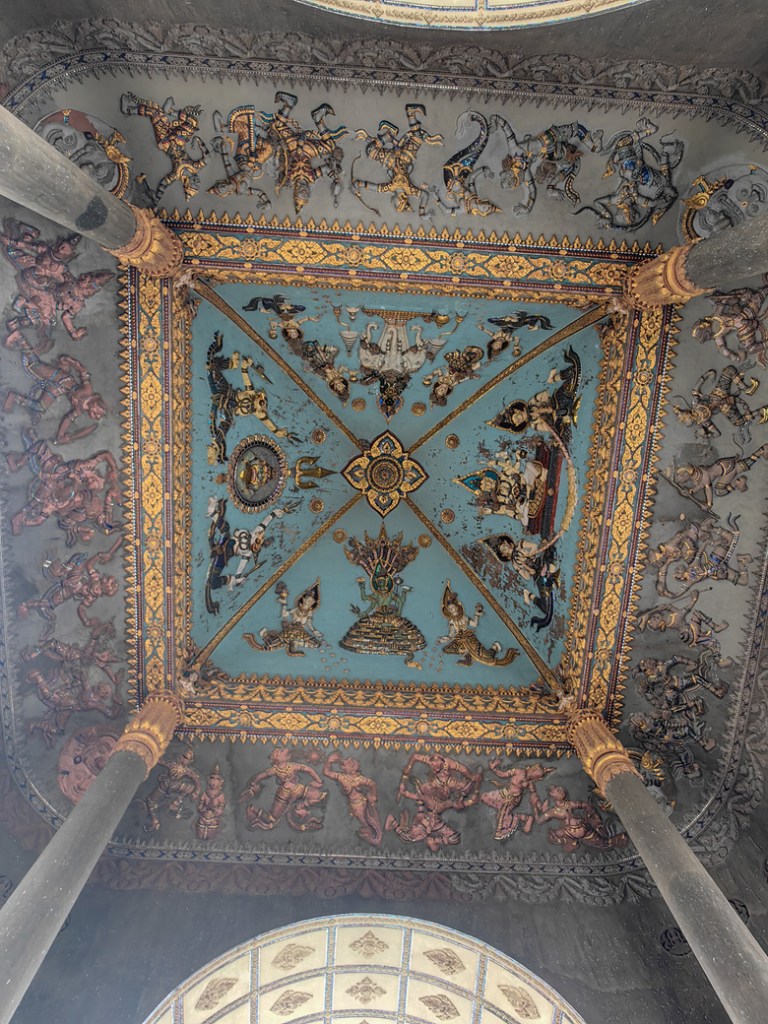
I am amazed with the carvings and drawing on the walls of Patuxai, that reflect the rich cultural and spiritual heritage of Laos. Among these are depictions of mythological creatures like the Kinnari and Nagas, symbolizing beauty, grace, and protection. Buddhist imagery is also prominent, with detailed scenes from the life of Buddha, highlighting the significance of Buddhism in Laotian culture. Traditional floral motifs and geometric patterns are intricately carved, representing the harmony between nature and spirituality. Additionally, the monument features reliefs of Laotian warriors, honouring the bravery and sacrifice of those who fought for the nation’s independence.

When you’re up on the top level, expect a mix of history, culture, and breathtaking views. It provides a 360-degree view of the city, where you can see Vientiane’s skyline, the Mekong River, and nearby temples. It’s best to visit during the early morning or late afternoon to avoid the heat and catch the best light for photography.

Entrance fee
The entrance fee is 5,000 kip for locals and 30,000 kip for foreign tourists. This fee allows you to ascend to the top of the monument, where you can enjoy stunning views of the city and its surroundings.